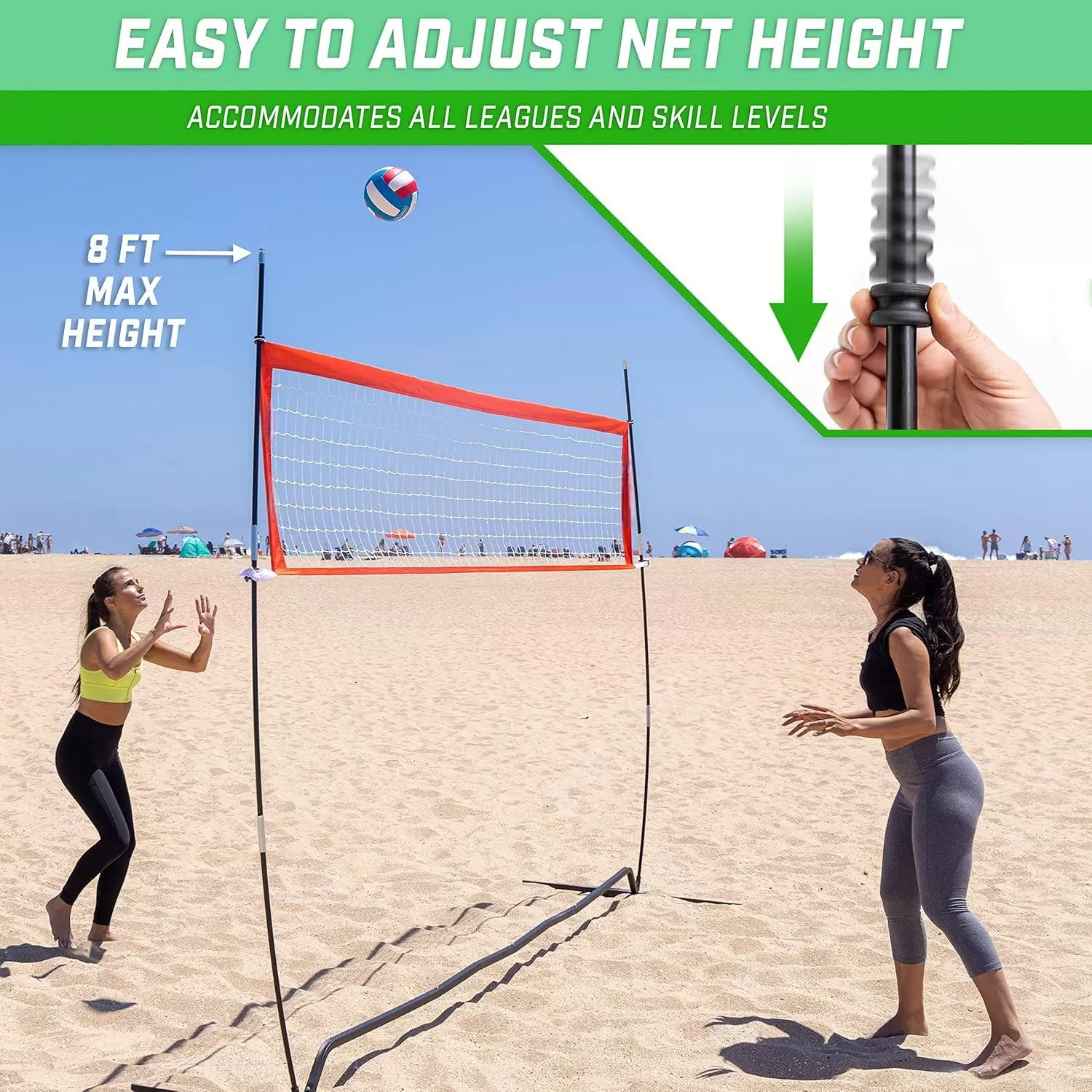
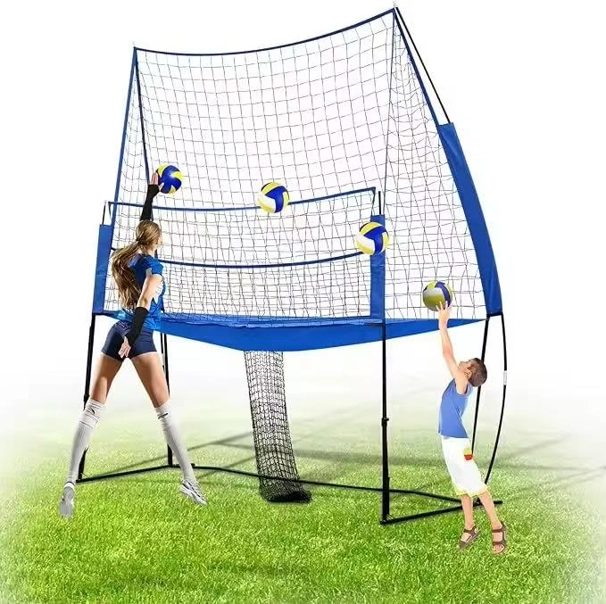
Securing a beach volleyball net in high-wind conditions is not a matter of adding more weight or tightening the rope harder. Stability on sand requires a deliberate combination of anchoring technique, frame elasticity, material resilience, and correct tension logic. This guide focuses on practical sand-based stabilization methods and explains how a professionally engineered 11×8FT beach volleyball net system from Riches Net is designed to remain stable, safe, and playable in windy coastal environments.
Start With the Right Structural Foundation, Not Improvised Fixes
A common mistake in beach net installation is attempting to “fix” instability after setup. True stability begins with choosing a system designed specifically for sand.
The Riches Net beach volleyball system integrates:
Polyester netting for controlled elasticity
Iron frame components for mass and rigidity
Fiberglass tubes for controlled flex under gusts
This hybrid structure prevents the two most common failures in windy conditions: rigid-frame tipping and soft-frame collapse.
Step-by-Step Sand Anchoring Strategy That Actually Holds
1. Anchor Depth Matters More Than Anchor Weight
In sand, depth is more effective than surface weight. For an 11×8FT net system, anchors should be buried at least 40–50 cm below the sand surface. This depth places the anchor below the loose top layer into more compact sand, significantly improving holding power.
Industry field tests show that increasing anchor depth by 20 cm can improve resistance to lateral pull by up to 35%, even without increasing anchor mass.
2. Use Angled Anchoring, Not Vertical Pull Points
Vertical anchoring concentrates force upward, making it easier for anchors to loosen during gusts. Instead:
This converts wind force into downward compression rather than upward lift.
Net Tensioning: Tight Enough to Play, Loose Enough to Survive
Over-tensioning is one of the fastest ways to destabilize a beach volleyball net in wind.
The polyester mesh used in the Riches Net system is engineered with:
This allows the net to absorb gust energy without permanently deforming.
Best practice:
Apply initial tension gradually
Allow a slight center sag rather than a perfectly rigid line
Recheck tension after 10–15 minutes of wind exposure
This method reduces peak stress on anchor points and frame joints.
Why Fiberglass Tubes Are Critical in Windy Beach Setups
Fiberglass tubes are not used for weight reduction alone. Their high tensile strength and elastic recovery allow the frame to flex slightly under wind pressure and return to position without permanent bending.
Compared to all-metal frames:
Fiberglass reduces vibration transfer to anchors
Flexibility lowers joint fatigue
Structural rebound maintains net alignment
This is particularly important for portable systems that are assembled and disassembled frequently.
Frame Stability: Painted Iron Pipes as a Wind Counterbalance
The bottom and frame components of the Riches Net system use painted iron pipes manufactured through automated cutting, bending, welding, and baking processes. This provides:
The added mass of iron components acts as a natural counterbalance against wind lift, especially when combined with deep sand anchoring.
Color Visibility and Wind Safety
The availability of blue and red color options is not purely aesthetic. High-contrast colors improve net visibility in:
Improved visibility reduces collision risk and improves player spatial awareness during fast rallies.
Transport and Deployment Efficiency in Coastal Environments
Beach setups often require carrying equipment across uneven sand. The Riches Net system is packaged as:
Single-item unit
120 × 20 × 20 cm package
10 kg gross weight
This balance between portability and mass ensures the system is heavy enough to stabilize once installed, yet manageable for individual transport.
Manufacturing Consistency as a Stability Advantage
Huizhou Riches Net Science & Technology Co., Ltd., established in 2000, operates a fully integrated production system covering:
Wire production
Rope manufacturing
Net weaving
Iron pipe fabrication
With over 23 years of industry experience, this integration ensures:
According to sports equipment manufacturing studies, vertically integrated producers show 15–25% lower performance variance in load-bearing products compared to outsourced assembly models.
Customization for Different Sand and Wind Conditions
Not all beaches behave the same. Riches Net supports customization options including:
This allows clubs, training camps, and event organizers to adapt net performance to local wind intensity and sand density.
Practical Stability Checklist for High-Wind Play
| Stability Factor | Recommended Practice |
|---|
| Anchor depth | 40–50 cm minimum |
| Anchor angle | 30–45° outward |
| Frame material | Iron + fiberglass |
| Net tension | Firm, not rigid |
| Post flexibility | Moderate elastic response |
Frequently Asked Questions
Q1: Can this net remain installed on windy beaches for extended periods?
Yes. The polyester net, fiberglass tubes, and painted iron frame are suitable for prolonged outdoor use with periodic tension checks.
Q2: Will stronger wind require heavier anchors?
Depth and angle are more effective than weight alone. Proper anchoring technique delivers better results than simply adding mass.
Q3: Is this system suitable for training and casual play?
Yes. It is designed for volleyball enthusiasts, students, athletes, coaches, and organized training environments.
Final Takeaway: Stability Is Engineered, Not Improvised
High-wind beach environments expose weaknesses in poorly designed net systems. The Riches Net 11×8FT beach volleyball net combines controlled flexibility, material strength, and manufacturing precision to deliver reliable sand stability without excessive complexity. For users who demand consistent playability and long-term durability in coastal conditions, this system provides a professional-grade solution built for real-world beach challenges.