Importing children’s low beach volleyball nets from overseas suppliers is a common practice for sports retailers, training centers, and schools. However, many importers make avoidable mistakes that compromise product quality, delivery reliability, and operational efficiency. For B2B buyers, understanding these pitfalls is crucial to ensure smooth sourcing and long-term satisfaction. Huizhou Riches Net Science & Technology Co., Ltd., with over 23 years of experience in sports net manufacturing, provides insights into the most frequent mistakes importers make and how to avoid them.
1. Overlooking Material Quality and Mesh Specifications
A common mistake importers make is assuming all nets are similar in material and performance. Low beach volleyball nets, especially for children, require polyester or nylon mesh with proper knotting and adequate thickness to withstand repeated use and outdoor conditions.
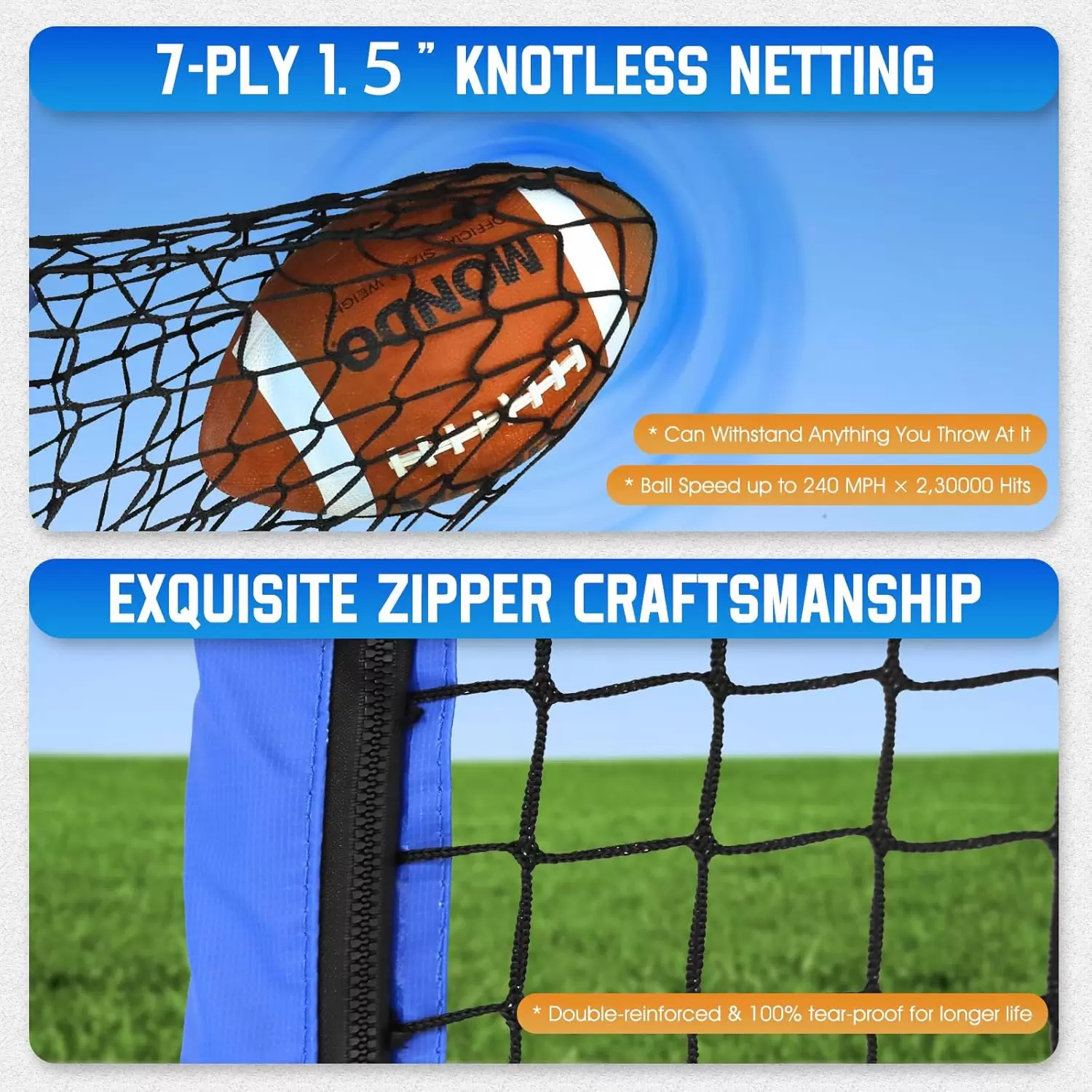
Riches Net manufactures knotless polyester nets with tight strands and accurate dimensions, ensuring durability, vibrant color retention, and resistance to tearing. B2B buyers should verify:
Mesh tensile strength to endure multiple hits.
UV resistance to prevent color fading in outdoor environments.
Waterproof and weatherproof properties for outdoor longevity.
Ignoring material quality often results in nets that deform, tear, or fade quickly, leading to increased replacement costs and potential safety hazards. According to the Sports and Fitness Industry Association (SFIA), 65% of imported sports nets fail to meet expected durability standards due to insufficient material inspection.
2. Neglecting Frame Quality and Structural Integrity
Another common pitfall is underestimating the importance of the support frame. Importers sometimes focus only on net dimensions and mesh density while overlooking iron pipe or fiberglass frame quality.
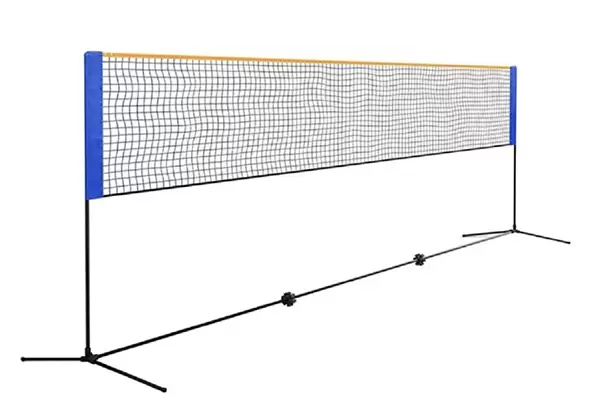
Riches Net’s nets feature painted iron pipe bottom brackets and fiberglass rods that provide high strength, lightweight portability, and anti-rust properties. Buyers should assess:
Pipe thickness and wall strength.
Weld quality, bending resistance, and anti-twisting features.
Overall stability and ability to remain upright under repeated play.
Skipping frame evaluation can lead to bent or unstable nets, increasing injury risks for children and damaging a company’s reputation.
3. Ignoring Supplier Manufacturing Capacity and Lead Times
Importers often select overseas suppliers without verifying production capacity or supply chain efficiency. This oversight can result in delayed shipments, inconsistent quality, and unmet delivery schedules.
Riches Net maintains a vertically integrated supply chain, including wire production, metal pipe processing, and net assembly. Automated equipment ensures consistent quality and reliable lead times, even for bulk orders.
B2B buyers should confirm:
Ability to fulfill large orders consistently.
Availability of raw materials and inventory management.
Flexibility to adjust production for seasonal demand peaks.
Failing to evaluate manufacturing capacity often forces buyers to either accept lower-quality alternatives or incur rush production fees.
4. Lack of Customization Consideration
Children’s volleyball nets require specific adjustments in size, mesh sparseness, rope thickness, and colors. Many importers fail to request these customizations, assuming standard products suffice.
Riches Net provides flexible customization:
Adjustable net dimensions to suit age groups or facility size.
Mesh and rope thickness tailored for children’s training.
Optional color customization for branding or school programs.
Carrying bags made of Oxford cloth for easy transportation.
Without customization, imported nets may not meet training needs, resulting in a poor user experience and limited usability.
5. Overlooking Durability Testing and Certifications
Importers sometimes neglect to verify durability testing and material certifications. Low-quality nets may tear, discolor, or deform after minimal use, causing returns or complaints.
Riches Net employs strict quality control procedures and provides test reports on:
Impact resistance for repeated volleyball hits.
Environmental testing for UV, moisture, and temperature exposure.
Material certifications confirming mesh and frame compliance with safety standards.
Ignoring certifications often leads to unreliable products that compromise safety and training effectiveness.
6. Focusing Solely on Price
Price is a common driver in sourcing decisions, but importers who prioritize low cost over quality frequently encounter operational issues. Low-cost nets may save money initially but result in higher maintenance, replacements, and liability risks.
Riches Net offers competitively priced nets without sacrificing quality. By balancing affordability and performance, buyers receive durable, professional-grade nets suitable for long-term use, minimizing total cost of ownership.
7. Inadequate Communication and After-Sales Support
Importers sometimes assume that overseas suppliers provide adequate post-purchase support, only to find communication slow or unresponsive. This can delay solutions for defective parts, replacements, or technical issues.
Riches Net maintains proactive communication channels and technical guidance, including:
Assistance with assembly instructions.
Replacement of damaged components.
Warranty support for material or structural defects.
Prioritizing suppliers with strong after-sales service ensures smoother operations and mitigates potential disruptions.
8. Ignoring Safety Considerations
Safety is critical when importing children’s volleyball nets. Importers occasionally overlook frame stability, net rebound consistency, and non-toxic coatings, which can result in injuries or regulatory non-compliance.
Riches Net designs nets with:
Fiberglass rods and iron pipe brackets ensuring stability.
Knotless polyester mesh to reduce snagging risks.
Non-toxic coatings safe for children’s use.
Ensuring safety compliance not only protects children but also supports school and facility reputation.
FAQ
Q1: Can the nets be customized for different age groups?
Yes, Riches Net supports size, mesh density, and rope thickness customization to fit children’s training needs.
Q2: Are the nets suitable for outdoor beach use?
Yes, with UV-resistant polyester mesh and corrosion-resistant frames, the nets perform reliably outdoors.
Q3: How durable are the nets under repeated play?
Riches Net’s knotless polyester mesh and reinforced frames withstand repeated impacts without deformation.
Q4: Does Riches Net provide technical support for assembly?
Yes, the company offers guidance, replacement parts, and warranty coverage to ensure smooth operations.
Q5: What are the common mistakes importers should avoid?
Ignoring material and frame quality, lack of customization, overlooking certifications, prioritizing price, and weak supplier communication are the most common pitfalls.
Conclusion
Importing children’s low beach volleyball nets requires careful planning, thorough quality verification, and strong supplier partnerships. B2B buyers should pay close attention to material and mesh quality, frame stability, manufacturing capacity, customization options, safety, and after-sales support. Suppliers like Huizhou Riches Net Science & Technology Co., Ltd., with over 23 years of industry experience, a complete supply chain, and professional quality management, offer reliable, customizable, and durable nets that meet international standards. Avoiding common mistakes ensures not only safer and more effective training equipment but also long-term operational efficiency and customer satisfaction.