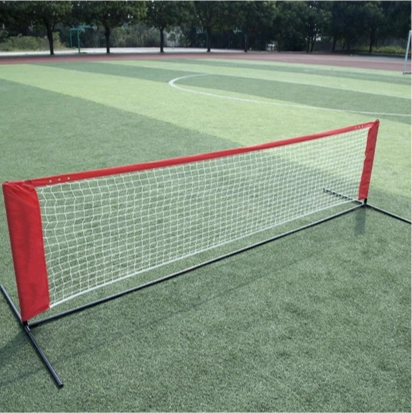
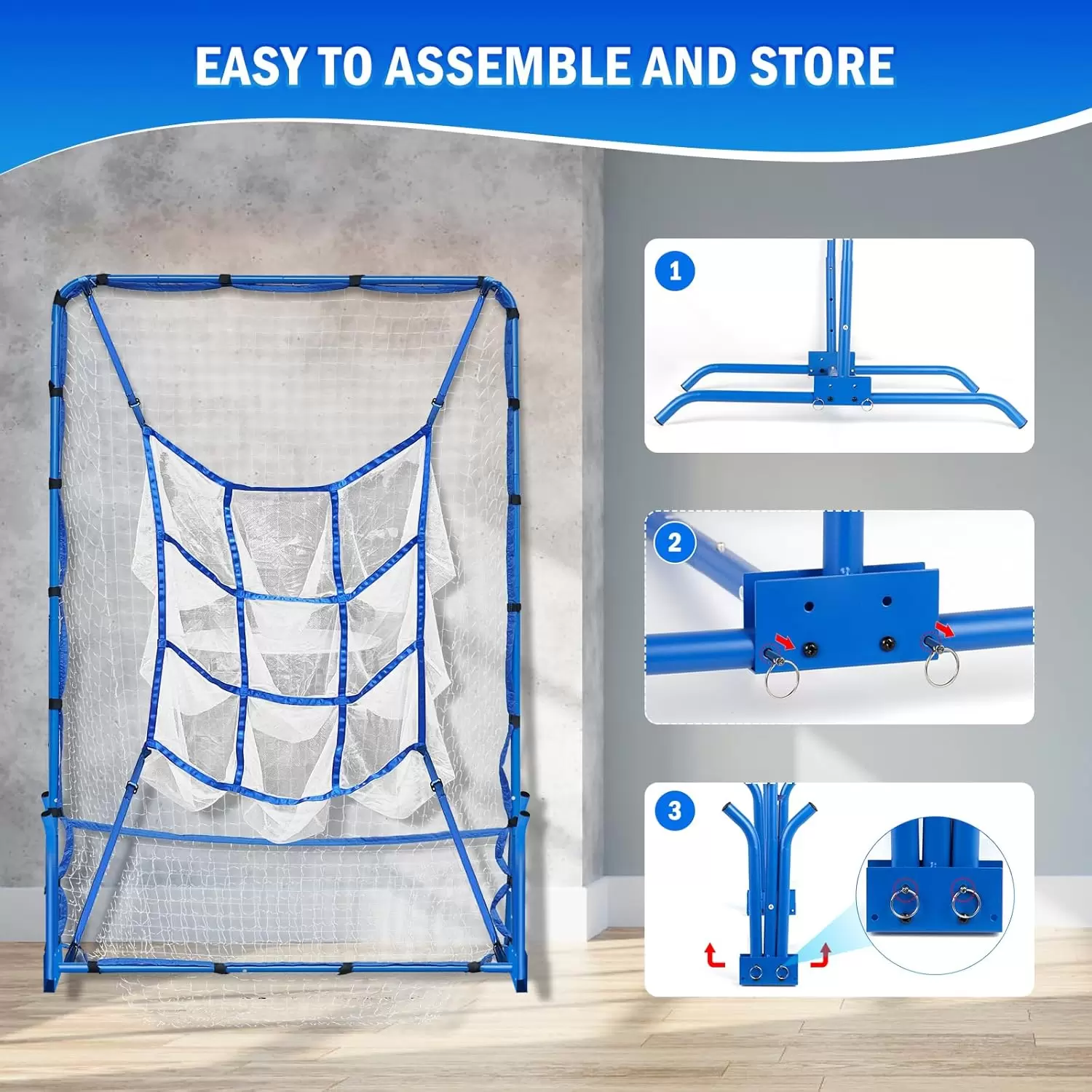
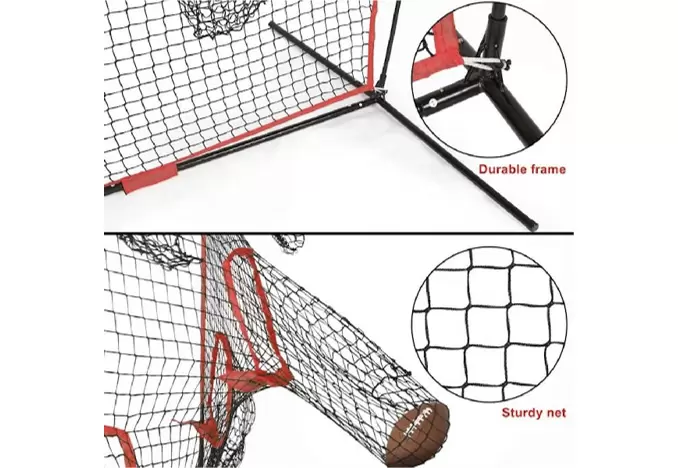
Creating a home putting green is a popular way for golf enthusiasts to practice consistently, refine short-game skills, and reduce time spent traveling to a course. However, the biggest concern for indoor or backyard setups is safety. Stray balls can damage walls, windows, furniture, and even cause injuries. A reliable golf putting fence is not a luxury—it is a safety necessity.
Riches Net has more than 23 years of experience in manufacturing sports nets and related products. The company maintains a complete quality management system, producing nets with tight knots, accurate dimensions, and long service life. With a fully integrated supply chain from wire production to metal pipe fittings and automatic equipment for iron pipe manufacturing, Riches Net offers both durable materials and stable production capacity.
This guide focuses on building a safe home putting green using Riches Net golf putting fence, covering practical setup strategies, safety considerations, and performance optimization.
1. Define the Risk Zones in Your Home or Yard
Before buying any equipment, map out the area where the putting green will be located. Consider:
Walls and windows that could be damaged by mis-hit balls
High-traffic zones where people may walk through
Ceiling height if the putting area is indoors
Slope and drainage if the green is outdoors
The goal is to identify the most vulnerable points and build a protective barrier accordingly.
2. Why a Golf Putting Fence Matters for Safety and Performance
A putting fence acts as a buffer zone, preventing:
Stray balls from hitting walls and windows
Balls from bouncing into furniture or high-traffic areas
Mis-hits from traveling beyond the intended practice area
Riches Net’s products are designed with strict specifications and long service life. The fence can be customized for size and height, ensuring a precise fit for your space.
3. Choosing the Right Location for the Putting Green
Indoor Options
Indoor putting greens are typically installed in:
A spare room
A garage
A basement
The key is to ensure that the space can safely contain balls even when a shot is missed.
Outdoor Options
Outdoor putting greens are often built on:
For outdoor setups, the risk of stray balls is higher due to uneven surfaces and wind, so a robust fence is even more critical.
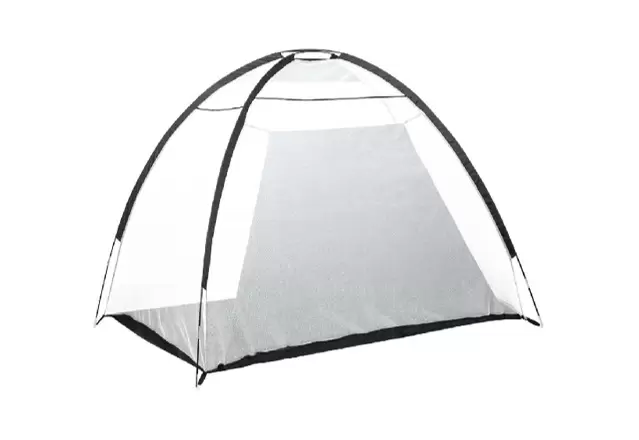
4. Selecting the Correct Riches Net Putting Fence Configuration
Riches Net provides high-quality nets and metal fittings that can be customized for:
Height: Taller fences for indoor spaces with higher risk of ricochet
Width: Enough coverage to protect walls and adjacent areas
Material strength: High-tension netting for repeated impacts
The company’s integrated supply chain allows them to control quality from wire production to metal pipe manufacturing, which translates to durable, consistent fencing products.
5. Installation Best Practices for Maximum Safety
5.1 Install a Stable Frame
A putting fence must be rigid to withstand repeated ball impact. Ensure:
All pipe joints are fully locked
The frame is anchored to the ground or wall
The net is stretched evenly to avoid sagging
5.2 Use Reinforced Netting
Riches Net’s knotless mesh and strong iron pipe bracket provide resilience against high-speed balls. Make sure:
5.3 Position the Fence at the Right Distance
The fence should be placed so that:
A common guideline is to place the fence 2–3 feet behind the hole, depending on the strength of the putts.
6. Optimize Safety with Layered Protection
For maximum safety, combine the putting fence with additional measures:
Rubber matting under the putting surface to reduce bounce
Wall padding behind the fence in indoor settings
Soft barriers along the sides to prevent balls from rolling off course
This layered approach reduces the chance of damage even in high-impact scenarios.
7. Maintenance and Longevity
To keep the putting fence effective and safe over time:
Inspect the net for wear and tear monthly
Check pipe joints for looseness
Replace damaged net sections promptly
Store in a dry place when not in use
Riches Net’s strict quality management and long service life make their products reliable, but proper maintenance is still essential.
8. FAQ: Common Concerns About Home Putting Greens
Q1: Can I install a putting green in a small room?
A: Yes, but the space must be wide enough to avoid mis-hit balls striking walls. A putting fence is essential.
Q2: What is the best fence height for indoor use?
A: A minimum of 6 feet is recommended for indoor spaces with limited room.
Q3: How do I prevent the net from sagging over time?
A: Ensure the net is tensioned evenly and check the frame for looseness regularly.
Conclusion
Building a safe home putting green requires more than just a putting surface—it requires a system that prevents stray balls from causing damage. A golf putting fence from Riches Net provides the structural integrity, durable materials, and customizable options needed to protect walls, windows, and people. With over 23 years of industry experience and a complete production chain, Riches Net delivers reliable fencing solutions that are suitable for both indoor and outdoor putting greens.
If you want a safe, stable, and long-lasting home practice setup, start with the right fence and install it with proper tension, anchoring, and safety planning.