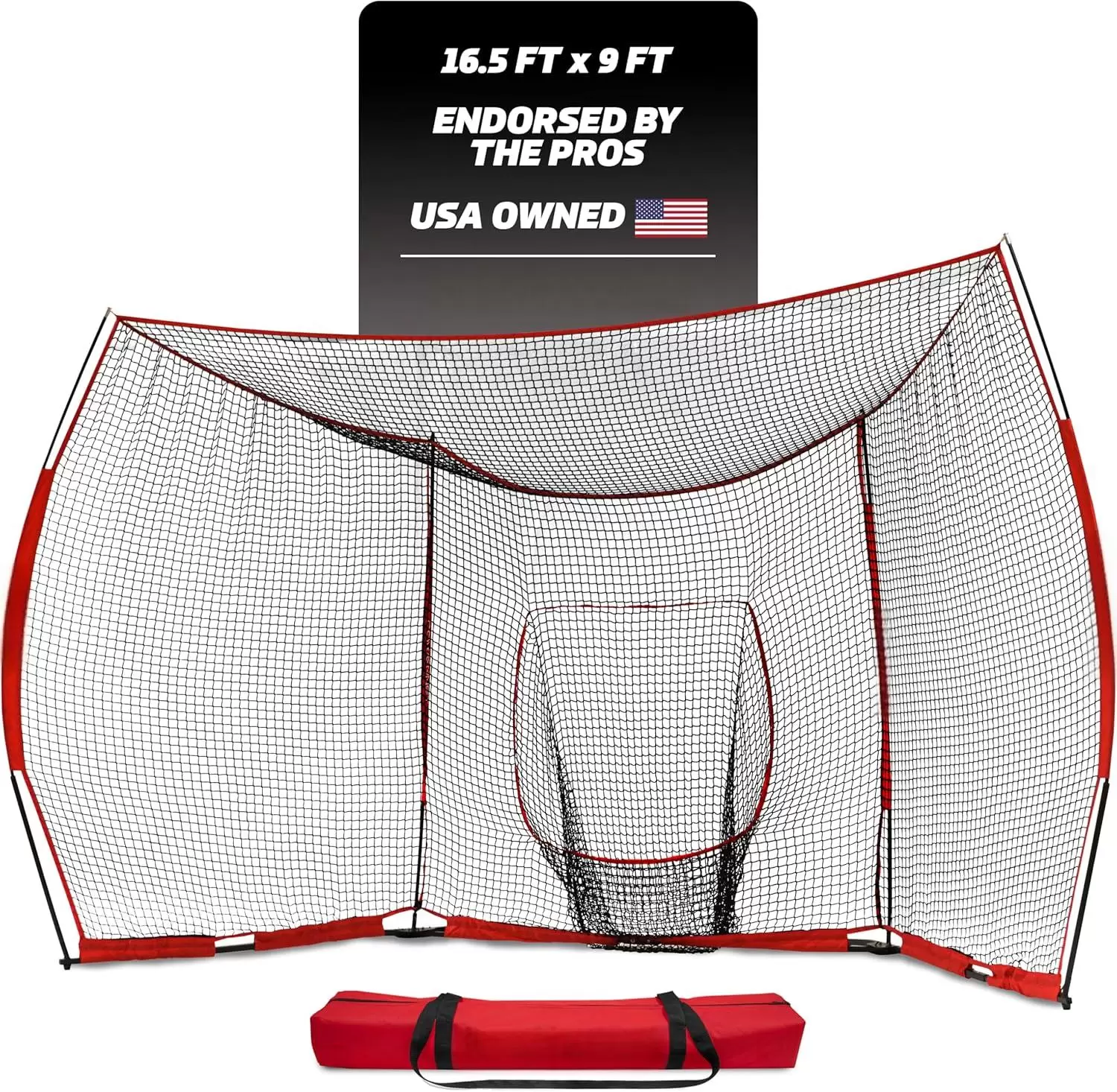
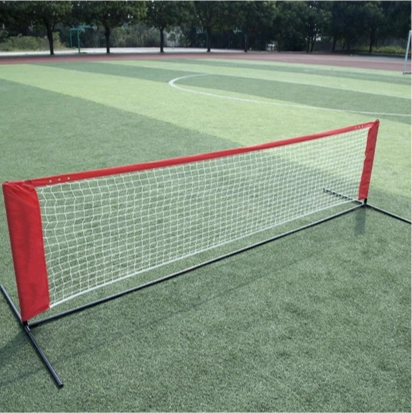
Maintaining a home baseball batting cage is not just about practice time; it is about ensuring the cage remains safe, durable, and cost-effective over the long term. In many home training facilities, the most common issue is small tears in the batting cage netting—often caused by repeated impact, UV exposure, or accidental contact with sharp edges. If left unattended, these small tears can expand quickly, leading to larger damage that requires a full net replacement.
Riches Net, with over 23 years of industry experience, offers high-quality sports nets and components that are designed for long service life. Their production system includes tight knot nets, accurate dimensions, and strong materials, supported by a complete supply chain from wire production to metal pipe fittings. Even with premium nets, small tears can still occur, but repairing them promptly is the most effective way to extend net life and maintain safety.
This guide focuses on the best repair methods for small tears in Riches Net baseball batting cage nets, ensuring your home training facility remains reliable and functional.
1. Why Small Tears Expand Quickly and How to Stop the Spread
A small tear in a net does not stay small. When a ball hits near a damaged area, the stress is redistributed and the tear can propagate along the net fibers. This is especially true in high-impact environments like batting cages, where the net is subjected to continuous force.
To prevent expansion, the repair strategy must include:
Stopping the tear from growing
Restoring net tension
Maintaining the net’s original knot strength
Protecting against UV and moisture degradation
A well-executed repair can extend net service life by months or even years, depending on usage.
2. Assess the Tear: When to Repair vs Replace
Before choosing a repair method, evaluate the tear:
Small tears (under 4 inches / 10 cm): typically repairable
Tears near knots or corners: require stronger reinforcement
Multiple small tears close together: may indicate net aging; consider replacement
Large tears or broken strands: replacement is often safer and more cost-effective
Rule of thumb: If the tear affects the net’s structural knots or exceeds 4 inches, replacement is recommended. Otherwise, repair is the best way to extend service life.
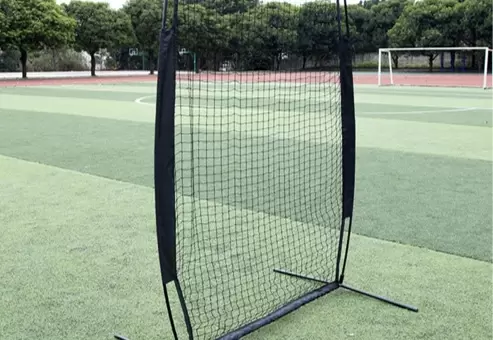
3. Best Repair Methods for Small Tears in Riches Net Baseball Nets
Method A: Knot-to-Knot Repair (Best for Small Tears)
This method is the most reliable because it preserves the net’s knot structure.
Steps:
Cut a replacement strand of net twine that matches the original thickness and material.
Tie a temporary stopper knot on one end to prevent slippage.
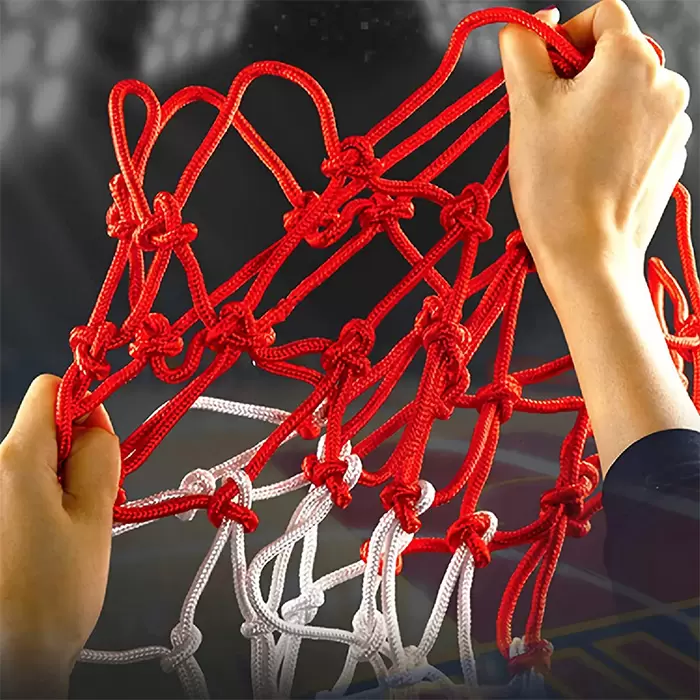
Weave the strand along the damaged section, tying each intersection with the existing net knots.
Replace the broken strands one by one, keeping tension consistent.
Secure the final knot and trim excess twine.
This method restores the net’s original strength and prevents tear propagation.
Method B: Patch Reinforcement (Best for Quick Fixes)
If the tear is small but you need a fast repair, a patch can be used.
Steps:
Cut a patch from a spare net section or a net repair kit.
Place the patch over the tear and align the net openings.
Sew the patch to the net using a whip stitch, ensuring the stitches are tight and consistent.
Add reinforcement knots around the edges.
This method is fast but slightly less durable than knot-to-knot repair. It is best used for temporary reinforcement.
Method C: Reinforced Edge Repair (Best for Tears Near Corners)
Corners and edges are the most vulnerable because they carry higher tension.
Steps:
Add a supporting rope along the edge to redistribute tension.
Tie the torn section to the new support rope using strong knots.
Use a net clamp or tensioning ring if available to stabilize the area.
Check tension regularly after repair.
This method prevents future tears and stabilizes the net.
4. Practical Repair Kit for Home Batting Cages
To ensure you can repair small tears quickly, keep a repair kit on hand:
Net twine (matching the original net)
Spare net patch sections
Heavy-duty needles for net sewing
Rope for edge reinforcement
Gloves and scissors
A tension gauge (optional)
A ready kit allows you to fix small damage immediately, preventing the tear from expanding.
5. Repairing Without Losing Net Performance
The goal of repair is not just to fix a tear but to maintain the net’s performance characteristics:
Riches Net’s products are designed with tight knots and accurate dimensions, so repair work should preserve these qualities. The best repairs mimic the original net structure.
6. Maintenance Practices to Prevent Tears
To extend net life and reduce repairs, adopt the following practices:
6.1 Proper Tension Control
Over-tensioning increases stress on knots. Use a consistent tension method and avoid pulling too tight.
6.2 UV Protection
UV exposure can weaken net fibers. Consider adding UV-protective coatings or using nets with UV resistance.
6.3 Avoid Sharp Edges
Ensure the frame has smooth edges. Metal pipe fittings should be burr-free, which Riches Net’s production line ensures through automatic cutting, bending, and welding.
6.4 Regular Inspection
Inspect the net weekly, especially after intense training sessions.
7. Industry Data & Authority Reference (Enhance Credibility)
According to a study on polymer degradation in outdoor sports nets, UV exposure can reduce tensile strength by up to 30% over 12 months in harsh sunlight conditions (Journal of Polymer Degradation, 2021). This supports the importance of regular inspection and UV protection.
Riches Net’s quality management system and strict manufacturing process ensure long service life, but proactive maintenance remains the key to avoiding premature damage.
8. FAQ (Practical, SEO-friendly)
Q1: How long can a repaired net last?
A: With proper repair and maintenance, a small tear repair can extend net life by 6–18 months depending on usage and environmental exposure.
Q2: Can I repair the net myself if I’m not experienced?
A: Yes. Knot-to-knot repair is simple with a repair kit. If the tear is near corners or multiple tears exist, professional assistance is recommended.
Q3: What is the best material for repair twine?
A: Use the same material as the original net (usually high-strength polyester or nylon). Matching thickness ensures consistent performance.
Conclusion
Small tears in a baseball batting cage net do not have to become a major problem. With timely repairs, the right methods, and proper maintenance, you can extend the service life of your home training facility while maintaining safety and performance. Riches Net’s high-quality nets, supported by a complete supply chain and strict quality control, provide a strong foundation. However, the difference between a short-lived net and a durable one lies in the repair approach and maintenance habits.
Repair small tears promptly using knot-to-knot methods, patch reinforcement, or edge reinforcement. Keep a repair kit ready, control net tension, protect against UV exposure, and inspect regularly. By following these steps, you will maximize net longevity and maintain a reliable training environment for years to come.