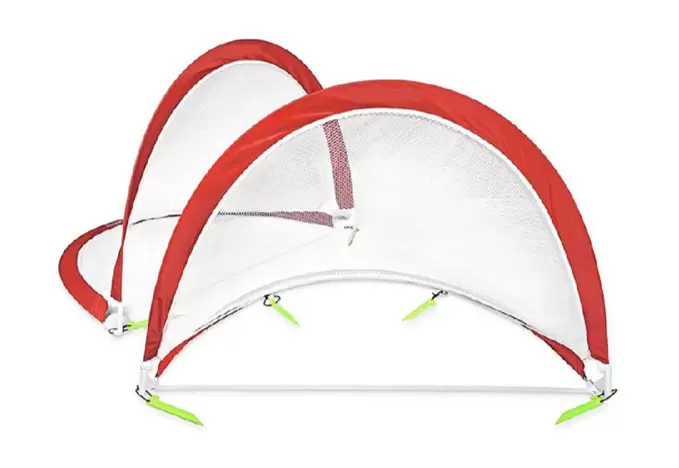
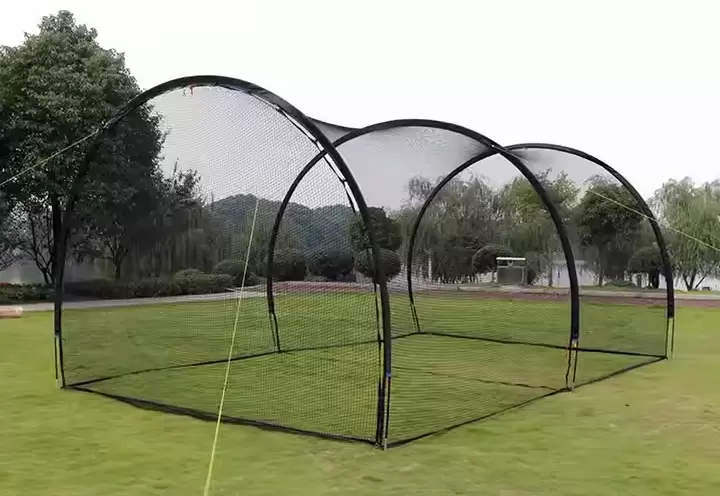
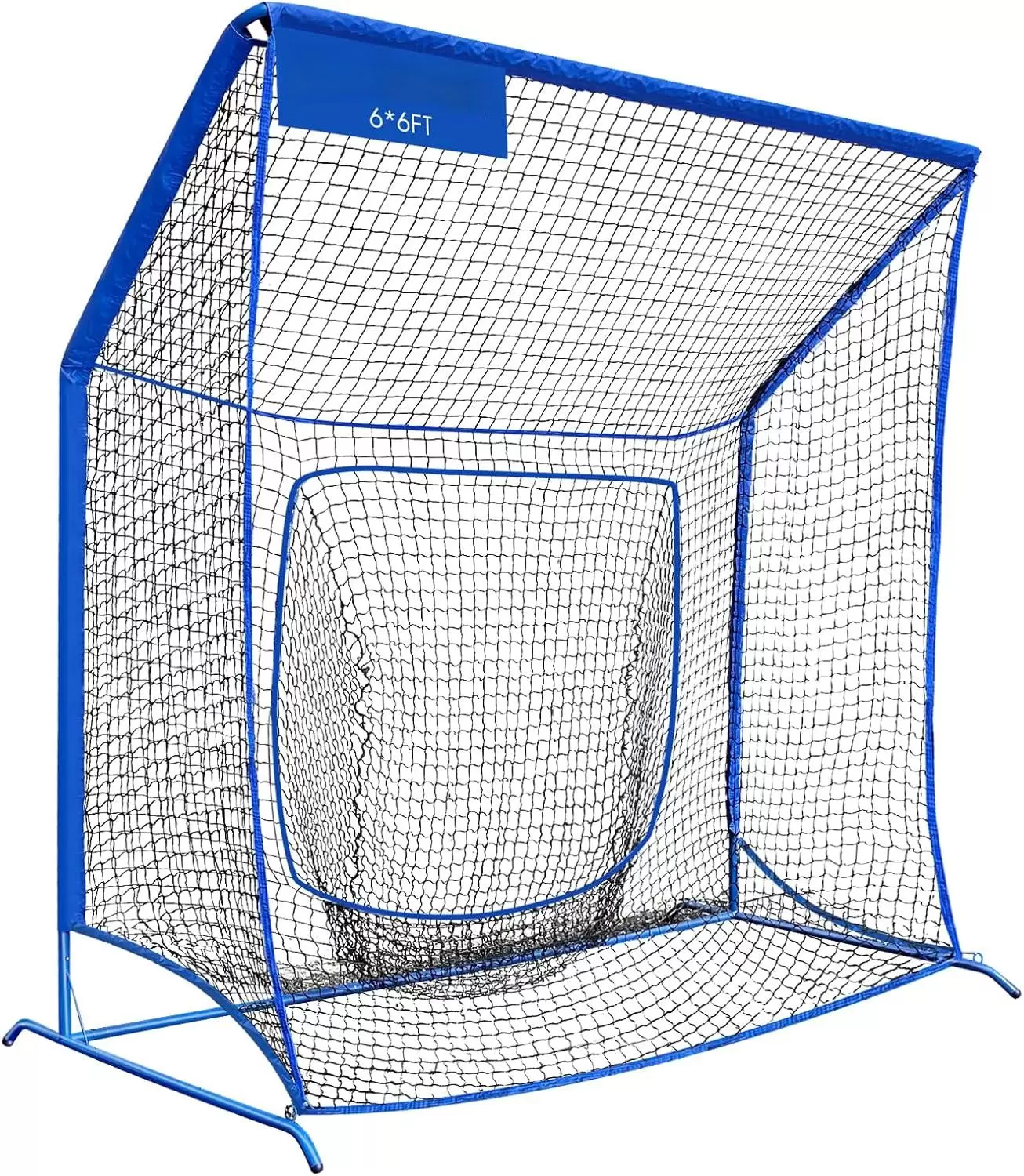
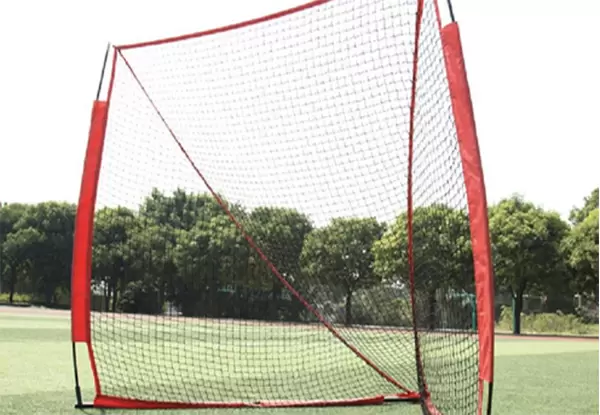
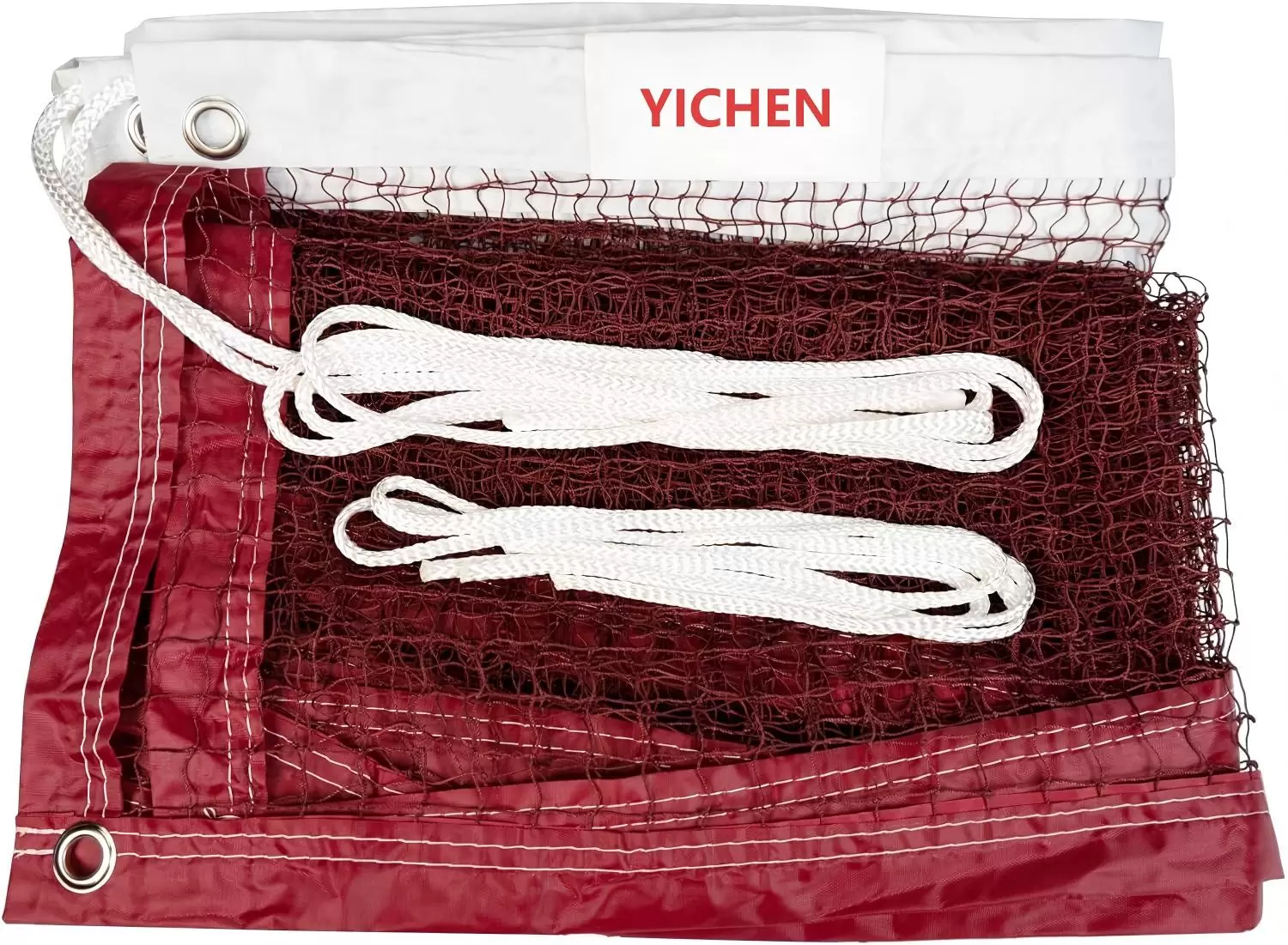
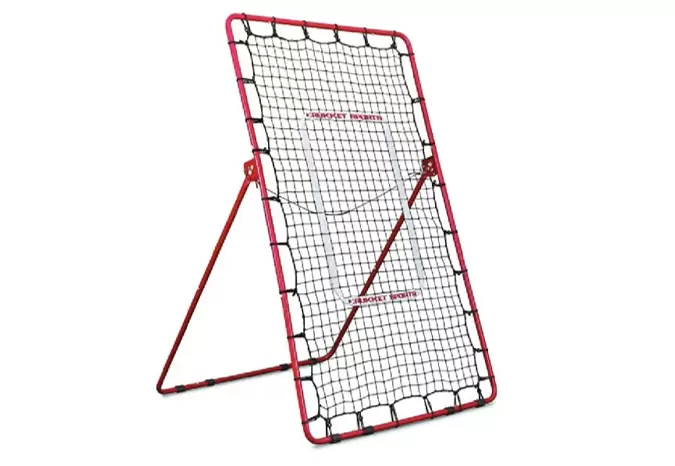
Designing a soccer field protective fence involves careful consideration of net strength, fence height, and impact resistance to ensure player safety, spectator protection, and long-term durability. For B2B buyers and facility planners, selecting a supplier with technical expertise and reliable manufacturing capabilities is essential. Huizhou Riches Net Science & Technology Co., Ltd., established in 2000, leverages over 23 years of experience in sports net engineering, offering fully integrated production from wire manufacturing to metal pipe processing. This guide explores the critical aspects of soccer field protective fences and highlights what to look for when sourcing professional-grade solutions.
1. Evaluating Net Strength
Net strength is a primary factor in protective fence performance. High-quality nets must withstand repeated impacts from soccer balls, player contact, and environmental stress without tearing or sagging. Riches Net provides knotless polyester mesh with tight strands and accurate dimensions, designed for resilience and long service life.
Key considerations for B2B buyers include:
Tensile strength: Ensures the net resists tearing under repeated high-speed ball impacts.
Knot type and density: Knotless nets reduce snagging and increase uniform strength distribution.
Weather resistance: UV-stable and moisture-resistant nets maintain integrity over time.
According to industry standards, soccer ball velocities can reach 80 km/h in youth games and over 120 km/h in professional play. Nets that cannot withstand these forces may fail prematurely, posing safety hazards and increasing replacement frequency.
2. Determining Optimal Fence Height
Fence height is critical to prevent balls from leaving the playing area and to safeguard spectators. Typical soccer field protective fences range from 3 to 5 meters, depending on field size, league level, and usage intensity.
Buyers should consider:
Age group and skill level: Higher fences may be required for adult or professional training grounds.
Proximity to spectators or roads: Additional height enhances safety in crowded or open areas.
Regulatory standards: Some sports authorities specify minimum protective fence heights.
Riches Net offers customizable fence heights and ensures precise measurements, supporting both safety compliance and efficient material use. Adjustable solutions also allow facilities to adapt fences for temporary or permanent installations.
3. Impact Resistance and Frame Integrity
Beyond net strength, the supporting structure must absorb impacts without deformation. Low-quality frames may bend, twist, or fail under repeated ball strikes, compromising both net performance and safety.
Riches Net’s painted iron pipe brackets and fiberglass rods provide high structural strength, lightweight portability, and anti-rust properties. B2B buyers should evaluate:
Pipe wall thickness and welding quality for durability.
Bending and torsion resistance to prevent frame collapse.
Reinforcement at joints and brackets to withstand high-impact stress.
A robust frame ensures the net remains taut and performs consistently over years of heavy use.
4. Sourcing High-Quality Materials
Importers and facility managers often underestimate the importance of sourcing premium materials for nets and frames. Inferior polyester or nylon mesh may fade, stretch, or tear quickly, while low-grade metal frames can corrode or lose rigidity.
Riches Net’s fully integrated supply chain enables control over every production step, including:
Wire production for strong and consistent netting.
Metal pipe manufacturing with automated cutting, punching, bending, welding, and baking.
Quality inspection to ensure tight knots, accurate dimensions, and vibrant colors.
Choosing suppliers with vertically integrated production reduces the risk of defective components and ensures long-term performance.
5. Customization for Field Requirements
Each soccer field has unique requirements, including field size, expected player skill, and environmental conditions. Riches Net provides flexible customization:
Net density and strand thickness tailored to impact frequency.
Fence height adjustments to match local regulations or facility needs.
Color options for visual appeal or branding purposes.
Customization ensures the protective fence aligns with both safety and aesthetic goals, providing optimal protection for players and spectators.
6. Durability Testing and Compliance
Durability testing is essential to confirm that nets and frames meet professional standards. Tests should evaluate:
Repeated impact resistance under simulated ball strikes.
Environmental exposure for UV, rain, wind, and temperature fluctuations.
Material certifications to verify compliance with safety and durability standards.
Riches Net conducts rigorous quality control, offering test reports and certification to demonstrate long-term reliability. According to ISO sports equipment standards, protective fencing must maintain structural integrity after repeated impacts to ensure player and spectator safety.
7. Installation and Maintenance Considerations
Ease of installation and maintenance significantly affects operational efficiency. Protective fences should allow:
Quick assembly with minimal tools.
Modular components for easy replacement of damaged sections.
Minimal maintenance requirements to reduce labor costs.
Riches Net’s design philosophy focuses on modular, lightweight frames and straightforward net attachment systems, enabling rapid setup and long-term maintenance efficiency.
8. Safety and Risk Mitigation
Safety is the foremost concern in soccer field design. B2B buyers must consider:
Frame stability under high-impact conditions to prevent tipping.
Net rebound consistency to avoid unpredictable deflections.
Non-toxic coatings and weatherproofing for player and spectator safety.
Choosing suppliers with a proven safety record, like Riches Net, minimizes potential liability and ensures compliance with local and international regulations.
FAQ
Q1: What fence height is recommended for professional soccer fields?
Typically, 4–5 meters, with adjustments based on spectator proximity and field layout.
Q2: Can the net withstand repeated high-speed ball impacts?
Yes, Riches Net’s knotless polyester mesh and reinforced frames are engineered for high impact resistance.
Q3: Are custom fence solutions available?
Yes, Riches Net provides customization for net density, strand thickness, fence height, and color.
Q4: How durable is the frame under outdoor conditions?
Painted iron pipes and fiberglass rods provide corrosion resistance and structural integrity for long-term outdoor use.
Q5: Does Riches Net provide technical support and assembly guidance?
Yes, comprehensive guidance and modular components facilitate quick installation and low-maintenance operation.
Conclusion
Engineering a soccer field protective fence requires a careful balance of net strength, fence height, and impact resistance. B2B buyers must evaluate material quality, frame integrity, customization options, and supplier reliability to ensure a safe, durable, and professional-grade installation. Huizhou Riches Net Science & Technology Co., Ltd., with over 23 years of experience and a fully integrated supply chain, delivers high-quality, customizable protective fences designed for performance, safety, and long-term durability. Choosing a reliable manufacturer today guarantees that soccer facilities remain safe, visually appealing, and operationally efficient for years to come.