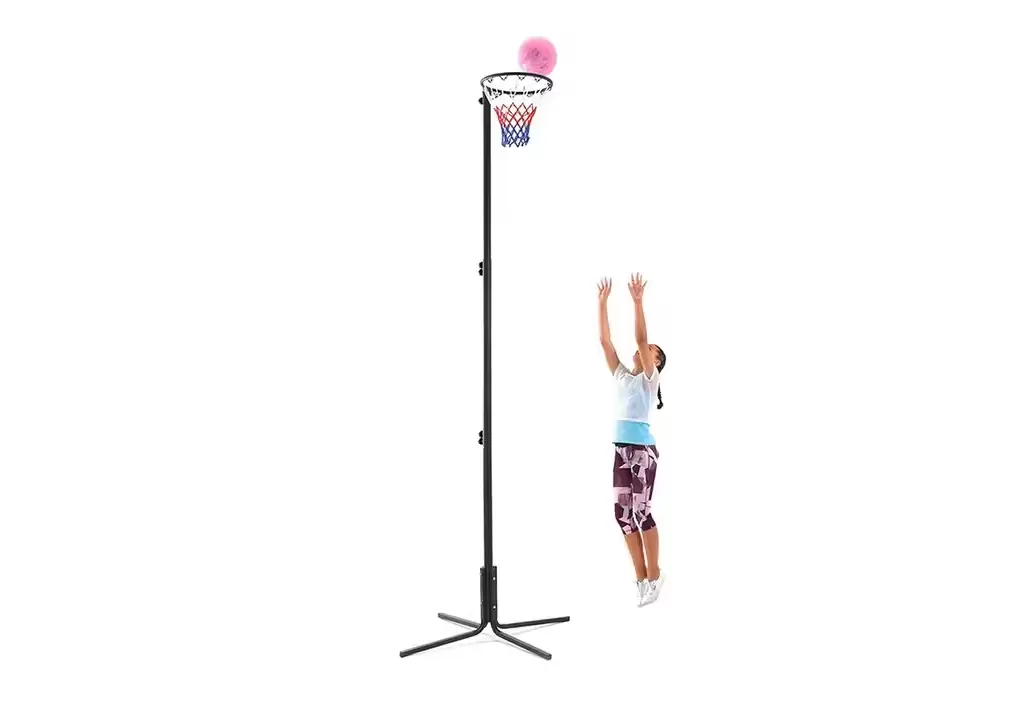
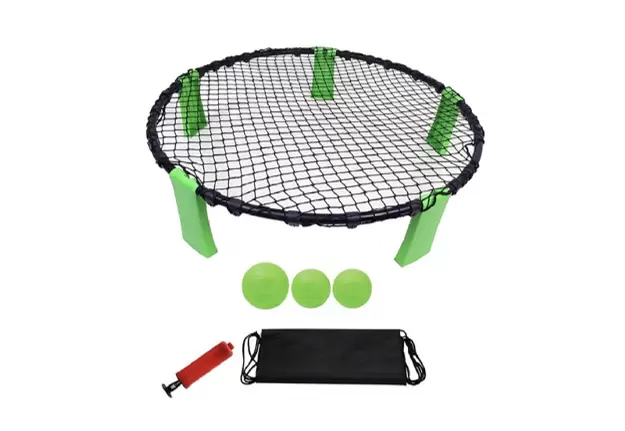
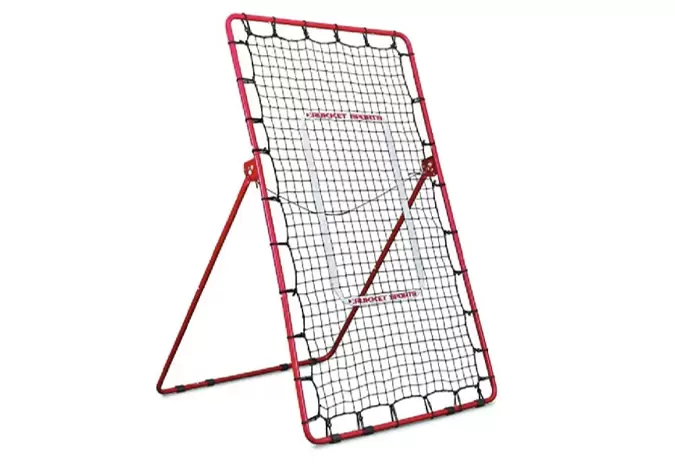
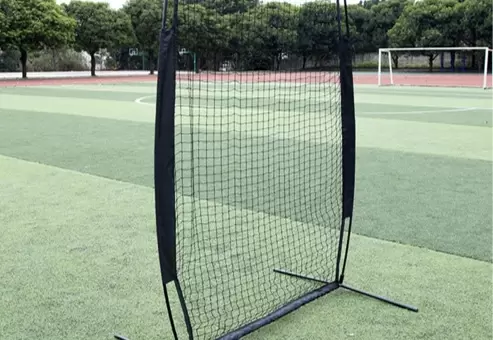
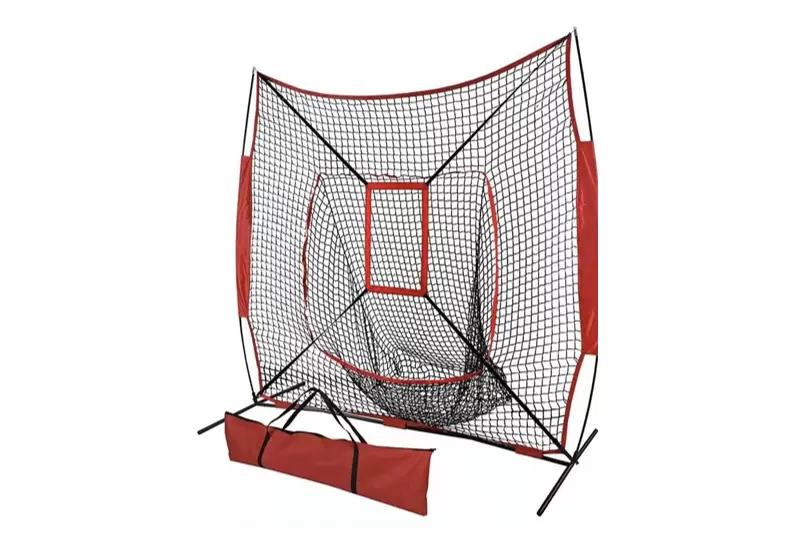
Efficient baseball training hinges on equipment engineered for precision, durability, and operational ease. For baseball training academies, school teams, and home enthusiasts, the choice of a Best baseball return net directly impacts the quality and consistency of both pitching and fielding practice. Coupled with structured Baseball return net replacement strategies, high-quality nets and easily replaceable components ensure uninterrupted practice, enhance skill acquisition, and maintain long-term reliability.
Huizhou Riches Net Science & Technology Co., Ltd., established in 2000, has over 23 years of experience in the sports net industry. With a complete quality management system and a team of highly experienced technical personnel, Riches Net produces nets with precise dimensions, tight knotting, vibrant colors, and long service life. By leveraging a fully integrated supply chain—from wire production to metal pipe fittings—and automated iron pipe processing including cutting, punching, bending, welding, and baking, the company delivers high-performance nets and robust frame solutions that cater to professional training, educational institutions, and home practice setups.
Material Engineering and Net Durability
Durable materials are the cornerstone of a high-performance baseball return net, particularly in high-frequency practice and outdoor environments.
Netting Materials
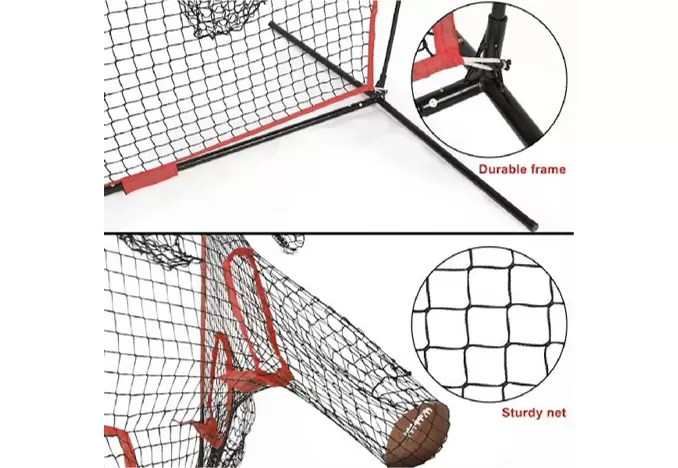
High-tensile polyethylene (PE) fibers: Engineered for exceptional strength and elasticity, PE nets provide consistent rebound and controlled return angles without deformation over repeated impacts.
UV-resistant nylon mesh: Offers flexibility while maintaining durability, suitable for outdoor or high-velocity training environments.
Abrasion-resistant coatings: Reinforced knotting and edge stitching improve longevity, reduce fraying, and enhance net stability.
Frame Construction
Powder-coated steel or galvanized iron frames: Corrosion-resistant and designed to withstand repetitive impacts.
Tubular steel or iron: Optimized wall thickness balances portability with structural rigidity.
Modular components: Frames and joints are engineered for rapid assembly, easy replacement, and minimal downtime.
Load distribution and stabilizers: Cross-bracing and weighted base support ensure frame stability during intense training sessions.
By combining high-quality net materials with engineered frames, Riches Net ensures that the Best baseball return net delivers predictable rebounds, withstands frequent impacts, and maintains safety during training.
Rebound Dynamics and Training Accuracy
The core purpose of a baseball return net is to provide reliable ball rebound for repeated drills.
Elasticity calibration: The net tension is specifically engineered to deliver consistent rebound angles, ensuring that balls return predictably to the user.
Controlled ball trajectory: Optimized mesh geometry and uniform tension allow pitchers and hitters to anticipate the ball’s return path, improving reaction time and fielding skills.
Impact absorption: High-density mesh disperses kinetic energy, protecting both the net and surrounding areas, minimizing risk of accidents.
Precision in rebound behavior enables continuous and focused training, allowing athletes to perform repetitive drills efficiently and safely.
Installation, Portability, and Maintenance
Ease of installation and modularity are critical considerations for organizations and individuals managing training facilities.
Tool-free assembly: Quick-locking connectors and modular panels reduce setup time, allowing athletes to focus on practice rather than assembly.
Portable design: Lightweight yet rigid frames can be relocated across training areas or stored compactly.
Adjustable tension: Frames with tensioning mechanisms allow customization for different training scenarios or ball velocities.
Maintenance and inspection: Modular design facilitates periodic net inspection, cleaning, and tension adjustments, preserving performance over time.
This combination of portability, modularity, and maintenance efficiency ensures consistent training sessions and reduces operational disruptions.
Replacement Strategies and Component Compatibility
Frequent use and exposure to outdoor elements necessitate a robust replacement strategy for both netting and frame components.
Net Replacement
Quick-swap net panels: Pre-cut, pre-knotted panels simplify replacement without disassembling the entire frame.
Compatibility with multiple frames: Replacement nets are standardized to fit existing Riches Net frame configurations.
Durable materials: High UV and abrasion resistance reduce the frequency of replacement.
Frame and Accessories
Interchangeable connectors and stabilizers: Frames are designed with standard joints and weights that allow rapid part swaps.
Long-term reliability: Reinforced tubing and modular joints minimize wear and tear even under high-impact, outdoor conditions.
Reduced downtime: Modular components ensure that broken or worn parts can be replaced quickly, minimizing interruptions in practice schedules.
By designing for easy replacement and component compatibility, Riches Net ensures that high-frequency training remains uninterrupted and cost-effective.
High-Frequency and Multi-User Training Applications
Professional Baseball Academies
Simultaneous drills: Multiple nets enable multiple pitchers or hitters to train concurrently.
High-velocity tolerance: Nets and frames handle repeated fastball impacts without loss of elasticity or stability.
Structured feedback: Controlled rebound trajectories facilitate real-time pitching and batting analysis.
School Teams
Progressive skill development: Adjustable net tension and standardized strike zones support gradual skill progression from novice to advanced levels.
Efficient setup: Modular frames allow rapid transitions between practice sessions for different age groups.
Durability: Reinforced nets and frames withstand repeated use by multiple athletes per session.
Home Practice
Compact design: Space-efficient frames and foldable nets allow for indoor or backyard setups.
Safe practice: Reinforced materials and controlled rebound angles minimize risk of injury.
Ease of replacement: Quick-swap nets and modular frames support long-term home training without frequent professional intervention.
By tailoring net performance and replacement solutions to these diverse scenarios, training efficiency, safety, and longevity are maximized.
Decision-Making Guide: Net Selection
| Feature | Best Baseball Return Net | Baseball Return Net Replacement |
|---|
| Focus | Rebound accuracy, durability, frame stability | Easy replacement, component compatibility, service life |
| Material | PE/Nylon mesh, UV-resistant, high-tensile fibers | Pre-knotted net panels, standardized components |
| Frame | Powder-coated steel, tubular design, cross-bracing | Modular joints, easy assembly/disassembly |
| Rebound | Consistent angles, controlled elasticity | Maintains performance after component replacement |
| Maintenance | Regular inspection, cleaning, tensioning | Quick part replacement, minimal downtime |
| Use Case | Pitching and batting training | Continuous practice, high-frequency use, outdoor exposure |
This comparison allows decision-makers to evaluate nets based on durability, performance, and operational efficiency, ensuring that training objectives are met reliably.
Advanced Technical Insights
Net Mechanics
Fiber density and weave pattern: Optimize energy absorption and predictability of ball return.
Edge reinforcement: Distributes impact loads, prolonging net life.
Elastic rebound calibration: Balances stiffness and flexibility for varied training requirements.
Frame Engineering
Joint design: Locking connectors maintain alignment under repeated impacts.
Load distribution: Cross-braces and stabilizers prevent tipping and maintain net geometry.
Material fatigue analysis: Ensures long-term performance even under high-intensity drills.
Maintenance Best Practices
Inspect net tension and knots before each session.
Rotate or flip net panels to distribute wear evenly.
Clean nets periodically to remove debris or dirt accumulation.
Verify frame stability and connector integrity prior to use.
Store nets and frames indoors when not in use to extend service life.
Regular maintenance supports consistent rebound performance, maximizes safety, and ensures uninterrupted training.
Riches Net Competitive Advantage
23+ years of R&D and production experience in sports nets, delivering durability, precision, and modularity.
Integrated supply chain from rope production to metal pipe fittings, enabling cost-effective manufacturing without sacrificing quality.
Automated equipment ensures precision in cutting, welding, and assembly, producing nets and frames to exacting standards.
User-focused engineering provides quick setup, modular frames, and easily replaceable components for high-frequency use.
Riches Net combines technical expertise, industrial-grade materials, and lifecycle-focused design to provide reliable Best baseball return nets and efficient Baseball return net replacement solutions.
Conclusion
Selecting the Best baseball return net and implementing Baseball return net replacement strategies is critical for any baseball training program. Precision-engineered rebound nets, durable materials, modular frames, and easily replaceable components ensure consistent, efficient, and safe practice sessions. Riches Net delivers technically advanced solutions tailored for professional academies, school teams, and home enthusiasts, helping athletes improve pitching, batting, and fielding skills while minimizing downtime and maximizing the lifespan of training equipment.