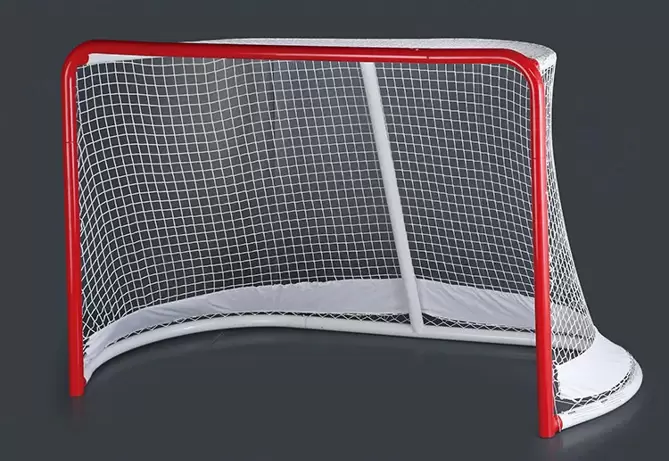
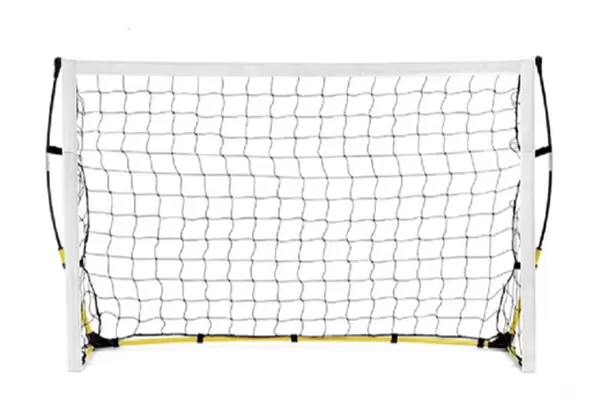
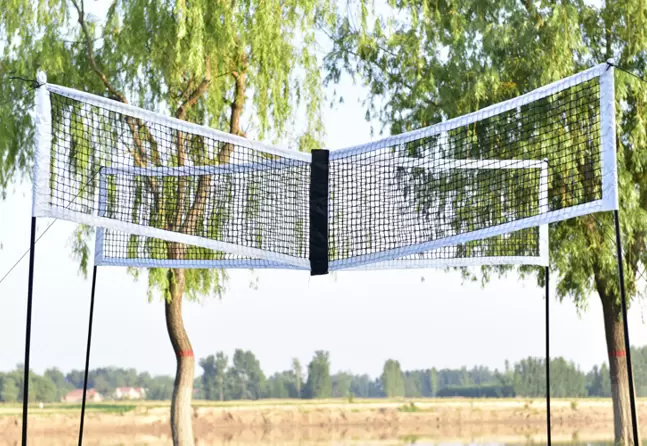
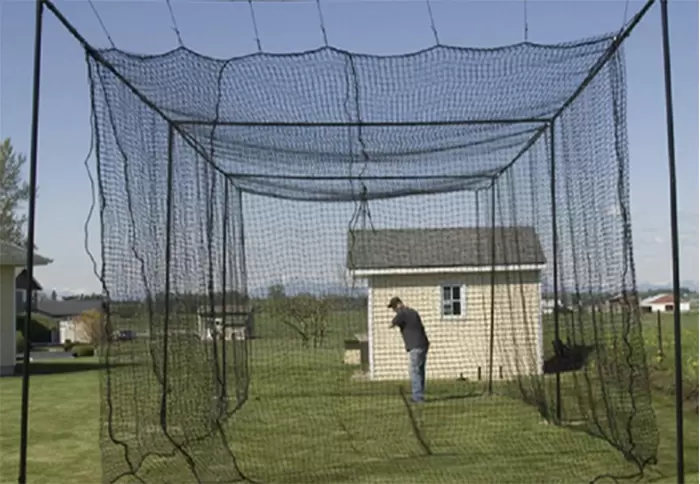
High-quality equipment is essential for effective hockey training, and a Hockey Goal Net (Impact-Resistant Fiber) plays a crucial role in ensuring safety, durability, and consistent performance. Huizhou Riches Net Science & Technology Co., Ltd., established in 2000, leverages over 23 years of industry expertise to produce professional-grade sports nets. With precise manufacturing of polyester and impact-resistant fibers, fully automated iron pipe production, and a robust quality management system, Riches Net ensures that every hockey goal net delivers tight knots, accurate dimensions, vibrant colors, and long-lasting structural integrity. Proper installation, securing, and tensioning of the net are vital to maximize its lifespan and provide reliable rebound behavior during intensive training sessions.
Step 1: Selecting the Right Hockey Goal Net
Before securing a net, it’s essential to choose the appropriate model for your training environment:
Material quality: Impact-resistant fiber ensures that repeated puck strikes, slaps, or shots do not damage the net or compromise safety.
Mesh size and strength: Riches Net designs include tightly knotted mesh to prevent puck escape while absorbing impact.
Frame compatibility: Verify that the net fits the goal frame securely, whether for full-size field hockey goals or practice mini-goals.
Customization: Options such as color, fiber density, and reinforced edges allow alignment with specific training demands or team branding.
Choosing the correct net type reduces installation challenges and ensures consistent rebound performance.
Step 2: Preparing the Goal Frame and Workspace
A well-prepared frame ensures safety and optimal tension:
Frame inspection: Examine all metal pipes or preassembled components for bends, cracks, or defects. Riches Net’s automated iron pipe production guarantees precise, uniform dimensions to fit the net securely.
Anchor points: Identify sturdy posts, crossbars, and base points for attaching the net. Correct alignment prevents sagging and uneven tension.
Clear training area: Ensure sufficient clearance behind and around the goal to avoid accidental damage or obstruction during high-speed shots.
Tools and accessories: Gather elastic cords, hooks, or fasteners provided with the net for proper attachment.
A clean, organized workspace improves installation accuracy and prevents damage to both net and frame.
Step 3: Attaching the Net to the Frame
Proper attachment maximizes both safety and performance:
Top frame first: Begin securing the net at the top crossbar using elastic cords or hooks. Even tension distribution from top to bottom reduces stress points.
Side panels: Gradually attach the net along vertical posts, ensuring the mesh is flat and aligned with frame edges.
Bottom frame: Anchor the bottom of the net securely using weighted brackets or tensioning devices. This prevents the net from lifting during puck impact.
Edge reinforcement: Tighten corners and edges with additional fasteners to prevent sagging or tearing.
Following a structured attachment process guarantees uniform tension and prevents puck deflection errors.
Step 4: Adjusting Net Tension for Optimal Performance
Correct tensioning ensures reliable rebound and durability:
Incremental tensioning: Tighten the net gradually, avoiding overstretching fibers which can weaken impact resistance.
Uniform tension: Check that all sides of the net maintain consistent tension to prevent puck misdirection.
Elasticity testing: Conduct controlled shots to evaluate rebound behavior. Adjust cords or fasteners as necessary to maintain a balance between flexibility and firmness.
Environment adaptation: Outdoor nets may require slightly increased tension to account for wind or weather conditions.
Well-calibrated tension enhances training accuracy and prevents premature wear of net fibers.
Step 5: Securing Nets for Safety During Intense Training
High-impact sessions demand additional safety measures:
Check frame stability: Ensure that all joints, crossbars, and base supports are firmly anchored to prevent tipping or frame collapse.
Fastener inspection: Regularly verify that all hooks, clips, or elastic cords remain tight and undamaged.
Impact absorption: Confirm that net tension absorbs puck energy without excessive strain on the frame.
Player safety: Position the net so that players and training equipment are clear of any slack or exposed fasteners.
Maintaining secure attachment prevents injuries and ensures consistent net performance during repeated drills.
Step 6: Maintenance and Longevity Tips
Routine maintenance extends the life of your Hockey Goal Net (Impact-Resistant Fiber):
Regular inspections: Check mesh for fraying, loose knots, or overstretched fibers after intensive training sessions.
Cleaning: Remove dirt, grass, or debris from the net and frame to prevent fiber degradation.
Adjust tension periodically: Elastic cords may stretch over time; re-tighten to maintain consistent rebound performance.
Storage considerations: When not in use, disassemble the net and store in a dry, ventilated area to protect against moisture and UV damage.
Following these practices maintains structural integrity and ensures the net performs consistently over its lifespan.
Step 7: Customization Options for Professional Training
Riches Net allows teams to customize nets to fit specific training goals:
Fiber density: Increase thickness or knot strength for high-speed, high-impact drills.
Net color and branding: Choose colors to match team uniforms or field markings.
Frame compatibility: Adjust size and attachment options to suit different hockey goal dimensions.
Reinforced edges: Optional extra support for areas that experience repeated heavy impact.
Custom features ensure that the net aligns with competitive training requirements and withstands rigorous use.
FAQ Section
Q1: How do I know if the net is properly tensioned?
A: Even, firm tension without sagging or overstretching ensures correct rebound and structural safety. Controlled puck tests help confirm optimal tension.
Q2: Can this net handle repeated shots from professional players?
A: Yes. Impact-resistant fiber and reinforced knots are designed for high-speed, high-impact hockey training.
Q3: Is the net suitable for both indoor and outdoor use?
A: Absolutely. Riches Net frames and mesh are treated for durability and weather resistance.
Q4: How often should I inspect the net?
A: After every intensive training session or at least monthly during continuous use to maintain safety and performance.
Conclusion
Properly securing and tensioning a Hockey Goal Net (Impact-Resistant Fiber) is critical to ensure consistent performance, safety, and longevity during training. By following structured installation, uniform tensioning, and routine maintenance, hockey teams can maximize the effectiveness of drills and protect both players and equipment. Huizhou Riches Net Science & Technology Co., Ltd. leverages over two decades of expertise and high-precision manufacturing to deliver nets that meet the demanding standards of professional and competitive hockey training, providing reliable, durable, and customizable solutions.