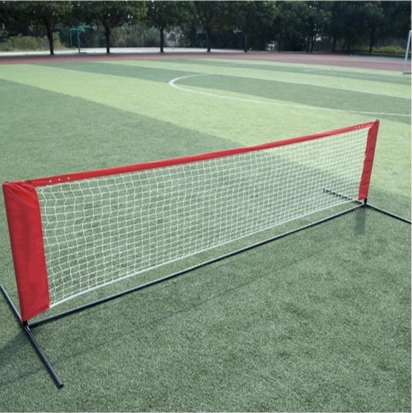
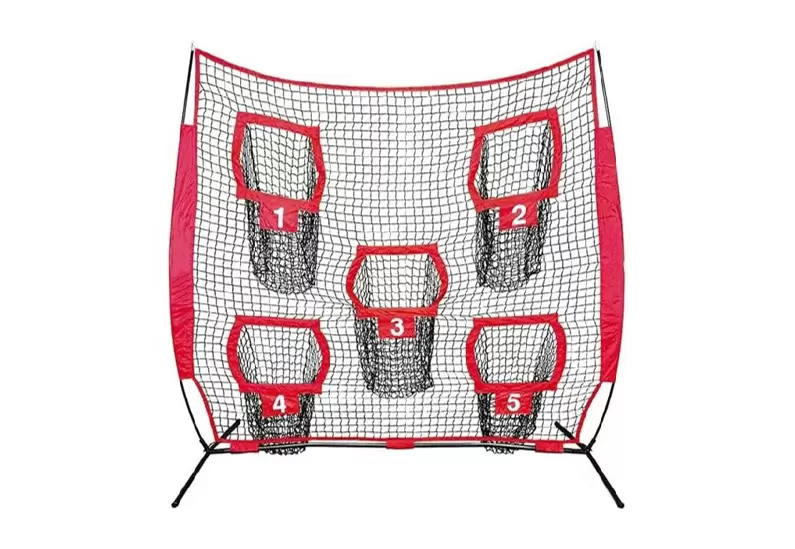
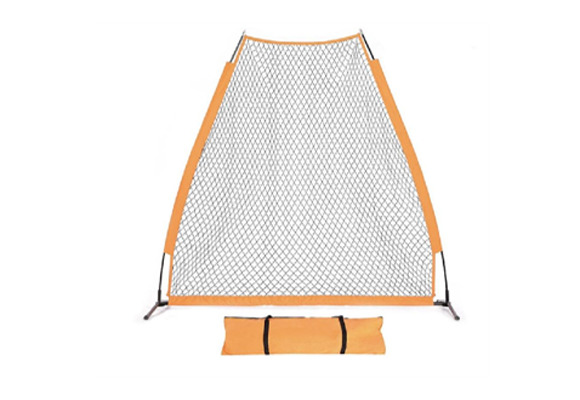
Competitive rugby training demands precision, safety, and reliable equipment to ensure effective drills and player development. Using a Rugby Tactical Training Net (Adjustable Height) allows coaches to replicate match scenarios while protecting players and minimizing risk of injury. Huizhou Riches Net Science & Technology Co., Ltd., established in 2000, brings over 23 years of expertise in manufacturing high-quality sports nets. With a robust supply chain covering wire production, polyester mesh fabrication, and fully automated iron pipe assembly, Riches Net provides rugby training solutions with accurate dimensions, tight knots, vibrant colors, and long-lasting durability, making it a preferred choice for professional and amateur rugby teams alike.
Selecting the correct frame and adjusting net tension properly is essential to ensure that the net withstands repeated impacts, provides consistent rebound, and maintains structural stability during intensive drills. This guide outlines practical steps for selecting, assembling, and optimizing your rugby tactical net for competitive training.
Step 1: Choosing the Appropriate Frame Material and Design
The frame serves as the backbone of the training net, so its material and design directly affect safety and longevity:
Material selection: Riches Net frames are typically constructed from high-strength iron pipe, offering anti-bending, anti-twisting, and rust-resistant properties. Fiberglass rods may also be incorporated for lightweight adjustments.
Portability vs. Stability: Depending on training requirements, teams may opt for freestanding frames for indoor gyms or anchored frames for outdoor fields. Adjustable-height models allow modification for different age groups, drill types, or tactical scenarios.
Cross-bracing: Incorporating crossbars or diagonal supports enhances structural integrity and minimizes frame wobble during high-intensity drills.
Joint and connector quality: Ensure that all connectors, screws, and joints are robust and properly fitted to prevent frame collapse. Riches Net’s fully automated iron pipe assembly ensures consistent quality and accurate dimensions.
A properly chosen frame balances stability, portability, and longevity, providing a safe platform for high-impact rugby training.
Step 2: Determining Optimal Net Tension Settings
Correct net tension enhances rebound performance and reduces stress on the frame:
Initial tension check: When first attaching the Rugby Tactical Training Net (Adjustable Height), ensure it is evenly distributed across the frame without sagging.
Height-adjustable tension: Adjust tension according to the height of the drill—higher passes or kicks require firmer tension to prevent the net from swaying, while lower drills may benefit from slightly relaxed tension.
Elastic cord integration: Use the provided elastic cords or tensioning devices to maintain consistent stretch and absorb repeated impacts.
Prevent overstretching: Excessive tension may deform the mesh, compromise rebound accuracy, or stress the frame. Monitor tension levels periodically during intensive training sessions.
Edge reinforcement: Secure corners and edges with additional tensioning to prevent net fraying or frame detachment. Riches Net nets are designed with reinforced knots to handle high-stress applications.
Optimizing net tension ensures accurate rebound, reduces fatigue on the frame, and prolongs the service life of the net.
Step 3: Installation Procedures for Maximum Stability
Proper installation is critical for both performance and safety:
Assemble the frame: Lay out all iron pipes or fiberglass rods, check for damage, and connect according to instructions. Ensure cross-bracing and base supports are secure.
Position the net: Spread the rugby tactical net over the frame, verifying that corners and edges align correctly.
Apply tension gradually: Attach elastic cords or clamps to secure the net, increasing tension incrementally to avoid overstretching.
Check alignment: Verify that the net is centered, and the frame is level. Uneven frames can cause inconsistent rebounds and increase risk of tipping.
Anchoring: For outdoor use, stakes or weighted bases prevent the frame from shifting during high-intensity drills.
Following systematic installation prevents accidents and ensures the net performs consistently under repeated impacts.
Step 4: Adjusting for Different Training Scenarios
Rugby drills vary in height, direction, and force intensity. Adjustments can optimize performance:
Kicking practice: Increase net tension and raise frame height to accommodate long kicks and higher ball trajectories.
Passing drills: Moderate tension allows realistic rebound for lateral and overhead passes.
Scrimmage simulation: Lower tension and ensure frame stability to absorb unexpected impacts without net distortion.
Youth vs. adult training: Adjustable-height frames allow quick adaptation for different player groups while maintaining consistent tension and safety.
Dynamic adjustment ensures the training net accommodates multiple tactical scenarios efficiently.
Step 5: Maintenance for Longevity and Safety
Regular maintenance preserves both performance and safety:
Inspect mesh: Check for fraying, loose knots, or overstretched areas before and after training.
Check frame stability: Ensure joints, screws, and crossbars remain secure.
Clean components: Remove dirt, mud, or moisture to prevent corrosion and reduce wear on ropes and connectors.
Storage: When not in use, disassemble and store the net in a dry, ventilated area to extend the life of both net and frame.
Consistent maintenance prevents performance degradation and protects both players and equipment.
Step 6: Customization for Team Needs
Riches Net offers customization to match team requirements:
Adjustable height range: Modify the frame to suit different skill levels or drill types.
Net density and rope thickness: Adjust for training intensity and ball impact absorption.
Color and branding: Personalize nets for club colors or school teams.
Specialized frames: Optional reinforced frames for outdoor or heavy-duty usage.
Customization ensures the net aligns with specific competitive training demands.
FAQ Section
Q1: Can this net handle repeated high-force rugby kicks?
A: Yes. Riches Net’s reinforced polyester mesh and tension system absorb repeated impact without damage.
Q2: How quickly can the net height be adjusted?
A: Adjustable frames allow quick height modifications, ideal for switching drills or age groups.
Q3: Is the net suitable for both indoor and outdoor training?
A: Yes. Frames are designed for stability and durability in multiple environments.
Q4: How often should tension be checked?
A: Tension should be inspected before each intensive training session to ensure consistent performance and safety.
Conclusion
Selecting the correct frame and optimizing net tension are critical for maximizing the performance of a Rugby Tactical Training Net (Adjustable Height). By combining proper material selection, systematic installation, dynamic tension adjustments, and routine maintenance, coaches and athletes can ensure safety, stability, and consistent rebound performance during competitive rugby training. Huizhou Riches Net Science & Technology Co., Ltd. leverages over two decades of experience to deliver reliable, high-quality nets that meet the demanding needs of professional rugby environments.