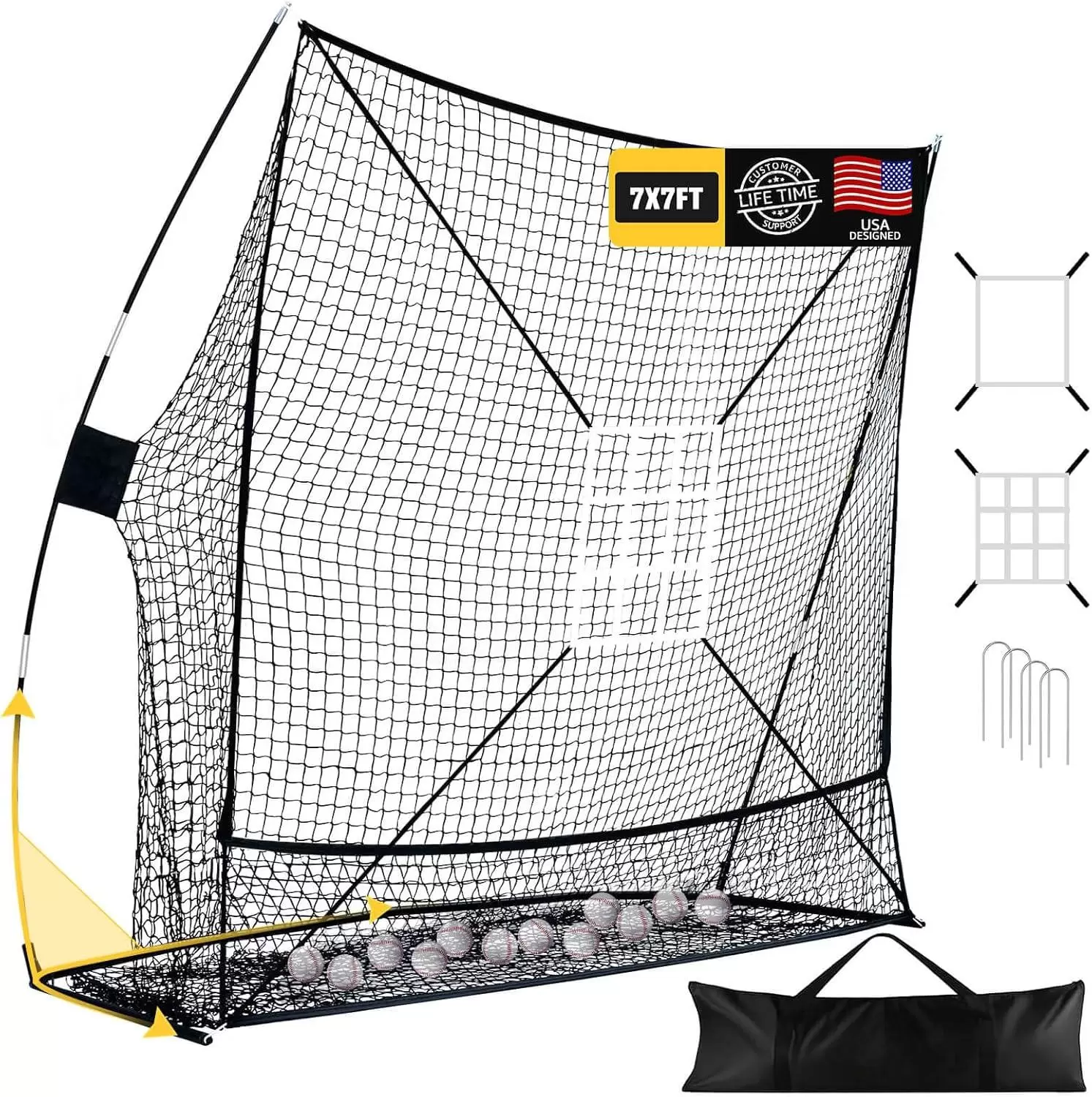
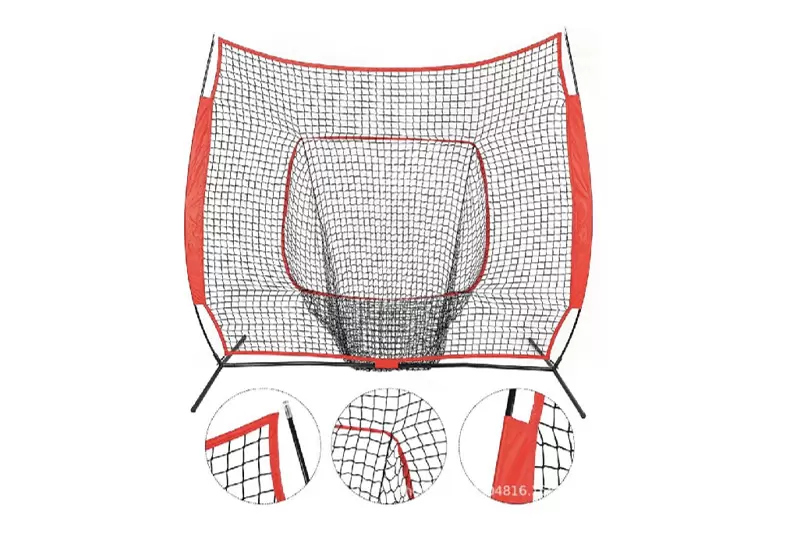
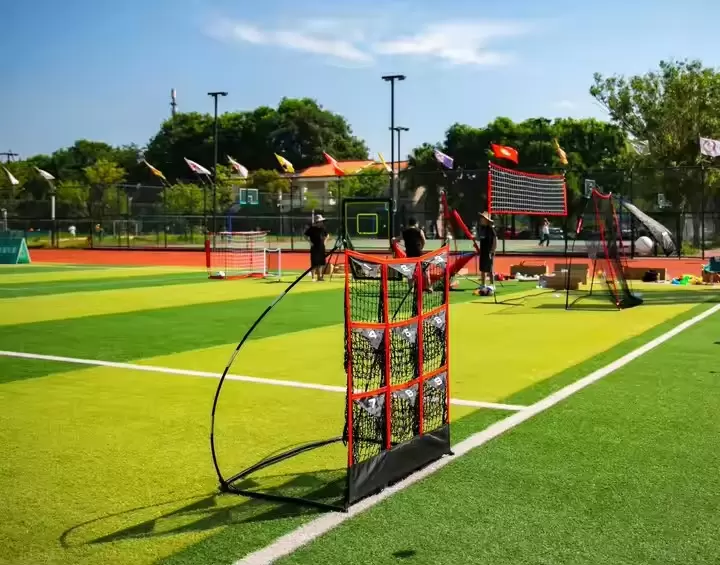
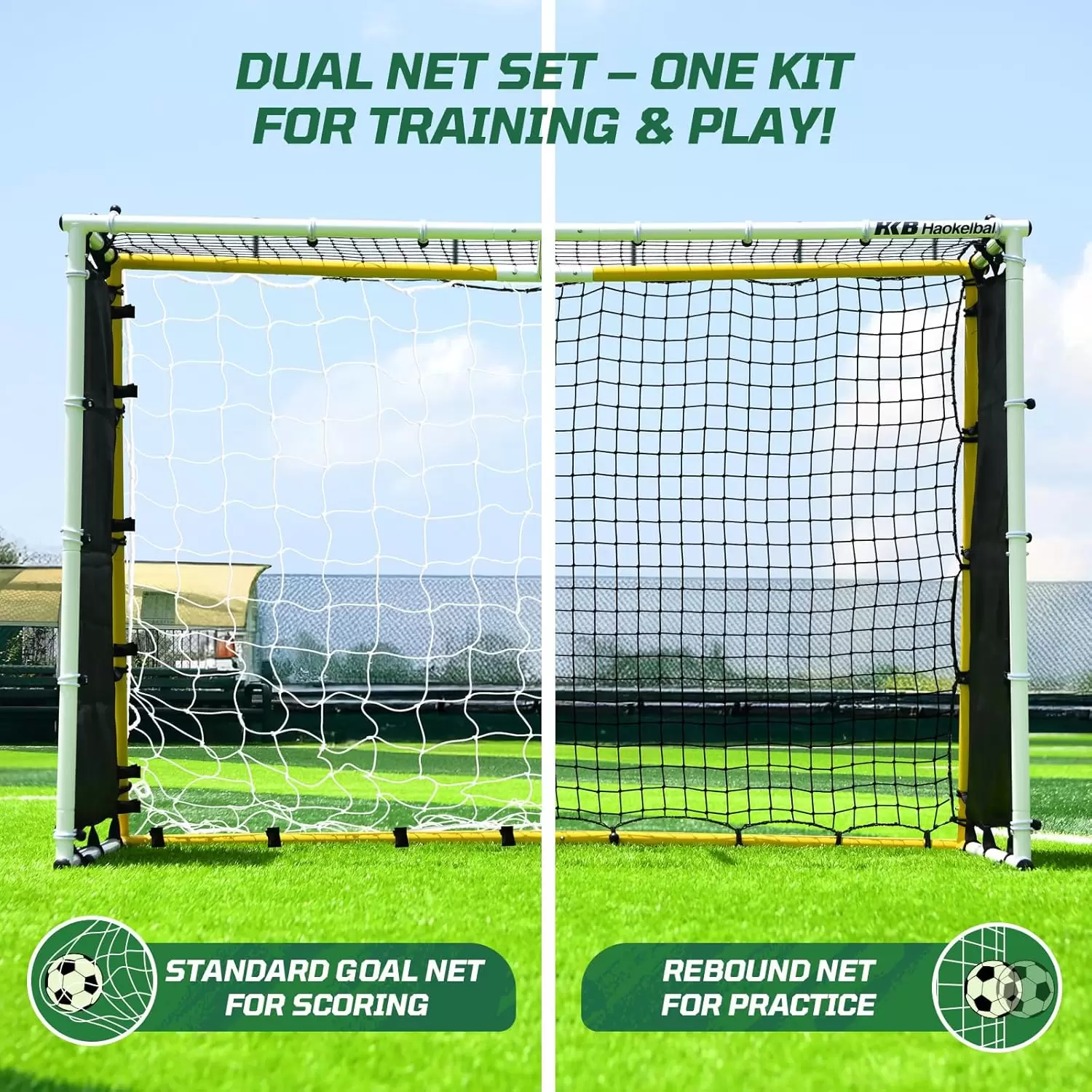
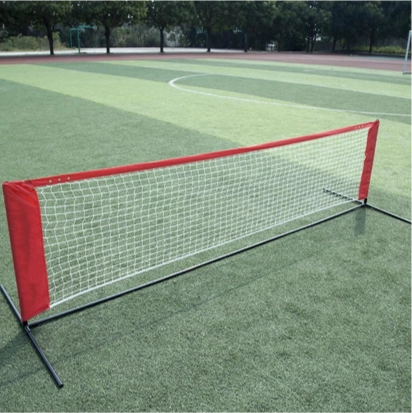
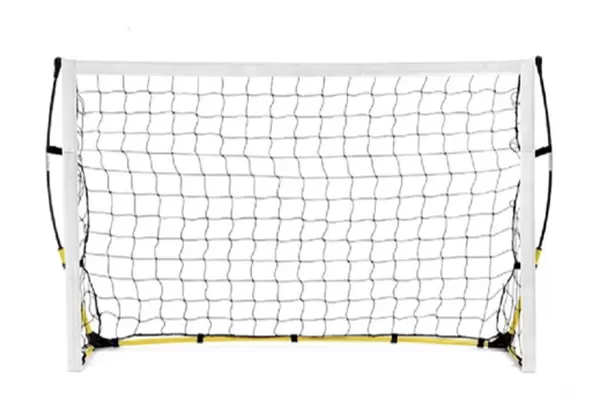
For baseball and softball enthusiasts, a reliable and secure indoor baseball batting cage net is essential for practice, skill development, and safety. Huizhou Riches Net Science & Technology Co., Ltd., established in 2000, has over 23 years of experience producing high-quality sports nets. With a complete supply chain from wire production to metal pipe fittings, Riches Net ensures that every net combines durable polyester mesh, sturdy support frames, and precise assembly components, offering long-lasting performance. Their batting cage nets are designed to provide athletes, students, and coaches with safe, stable, and customizable solutions for both training and recreational purposes.
Step 1: Selecting the Right Cage Size and Net Type
Before installation, it is important to determine the appropriate cage size and mesh configuration:
Dimensions: Riches Net offers standard cages at 22108ft, ideal for both baseball and softball training indoors.
Mesh specifications: Polyester mesh with three-strand construction and 1.25” spacing provides strike resistance while ensuring flexibility.
Support requirements: The bottom bracket, made from painted iron pipe, offers anti-bending, anti-twisting, and anti-rust protection. Fiberglass rods provide a lightweight yet strong support frame.
Customization options: Net color, size, mesh density, and rope thickness can be adjusted to meet specific training needs.
Choosing the correct size and specifications ensures optimal safety and performance.
Step 2: Preparing the Installation Area
A well-prepared area prevents damage to the net and enhances safety:
Clear space: Ensure the indoor area has enough clearance for the full dimensions of the net, plus additional space for the batter and ball rebound.
Flat surface: A level floor prevents uneven tension on the net and reduces the risk of the structure tipping.
Anchor points: Identify sturdy ceiling or wall attachment points if suspending the cage from above.
Safety considerations: Remove obstacles such as furniture, lighting fixtures, or low-hanging items that could interfere with the net or the batter’s swing.
Proper preparation minimizes installation challenges and enhances long-term stability.
Step 3: Assembling the Support Frame
The support frame provides structural stability for the cage:
Lay out the fiberglass rods: Check all rods for damage and confirm lengths before assembly.
Connect rods: Use the supplied connectors to form the vertical and horizontal frame structure. Fiberglass rods are lightweight but resilient, allowing for easy handling while maintaining high strength.
Attach bottom bracket: Secure the painted iron pipe bottom frame to the floor or base area. Ensure that anti-twisting and anti-bending features are aligned correctly.
Check alignment: Ensure that the frame forms a consistent rectangle or square without gaps or misaligned corners, which could compromise net tension and safety.
Accurate assembly of the support frame is critical for cage stability and longevity.
Step 4: Attaching the Polyester Net
Once the frame is secure, the netting can be installed:
Position the net: Spread the polyester mesh over the assembled frame, ensuring all sides are covered.
Use complimentary accessories: Attach the net using the eight octopus clasps and elastic cords provided. These allow flexible tensioning while absorbing the impact of balls.
Secure corners and edges: Ensure that corners are tightly fastened to prevent sagging or gaps.
Tension adjustment: Check that the net maintains firm tension without overstretching, which could damage fibers over time.
Correct net attachment ensures maximum strike resistance and prevents balls from escaping the cage.
Step 5: Final Safety Checks
After installation, thorough safety inspection is essential:
Frame stability: Gently shake the frame to confirm all joints are secure and the cage does not wobble.
Net tension: Test the net by hitting balls with standard force, checking for sagging or elastic overstretch.
Bracket security: Confirm that bottom brackets and connectors are firmly anchored to prevent tipping.
Accessory inspection: Ensure all clasps, elastic cords, and supporting hardware are intact and properly installed.
Completing these checks ensures that athletes can practice safely without risk of injury or equipment failure.
Step 6: Maintenance for Longevity
Regular maintenance extends the life of the batting cage:
Inspect mesh regularly: Look for frayed strands, tears, or weakened areas in the polyester net.
Clean components: Remove dust and dirt from rods, brackets, and net fibers to prevent wear and degradation.
Check tension: Periodically adjust elastic cords and clasps to maintain optimal net tension.
Storage: If the cage is not in use for extended periods, disassemble and store the net in the 600D Oxford cloth carrying bag to protect from moisture and sunlight.
Routine care helps maintain safety, structural integrity, and vibrant colors.
Step 7: Customization for Specific Needs
Riches Net allows adjustments to enhance user experience:
Net sparseness and rope thickness: Depending on age group or training intensity, adjust mesh density or rope diameter.
Color and design: Personalize cage colors for branding, school teams, or individual preferences.
Frame modifications: Adjust frame size to fit unique indoor spaces or to allow multi-sport applications.
Customization ensures the batting cage fits specific environments and training requirements.
FAQ Section
Q1: Can the cage handle repeated high-speed pitches?
A: Yes. Riches Net’s polyester mesh with reinforced strands and elastic tension absorbs impact effectively.
Q2: Is the cage easy to move or transport?
A: Absolutely. The lightweight fiberglass frame and included 600D carrying bag allow convenient relocation.
Q3: Can I customize the size of the cage?
A: Yes. Riches Net offers adjustable lengths, heights, and mesh density to meet indoor space and training needs.
Q4: How often should I inspect the net and frame?
A: Regular inspection after every few weeks of heavy use is recommended to maintain safety and performance.
Conclusion
Installing a high-quality indoor baseball batting cage net is crucial for safe, effective, and enjoyable training. By following a step-by-step approach—selecting the right size, preparing the area, assembling the support frame, attaching the net properly, conducting safety checks, performing maintenance, and considering customization—coaches, athletes, and enthusiasts can ensure maximum safety, stability, and longevity. Huizhou Riches Net Science & Technology Co., Ltd. combines over two decades of experience with advanced production capabilities to deliver nets that meet these professional standards, providing reliable and customizable solutions for indoor baseball and softball practice.