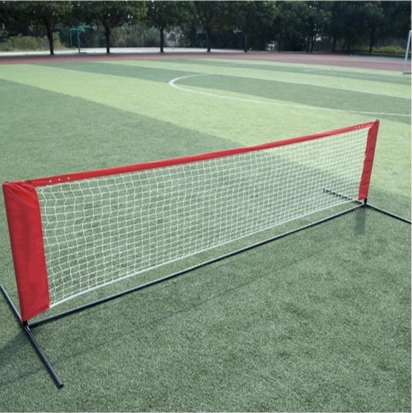
Portable tennis interception nets have become indispensable tools for tennis training, practice drills, and coaching sessions. For players, coaches, and sports institutions, the efficiency, durability, and portability of these nets determine not only the quality of training but also convenience in daily use. A well-engineered net should optimize setup efficiency, reduce overall weight, and enhance field mobility without compromising structural strength or longevity.
1. Mesh Material: Balancing Strength and Flexibility
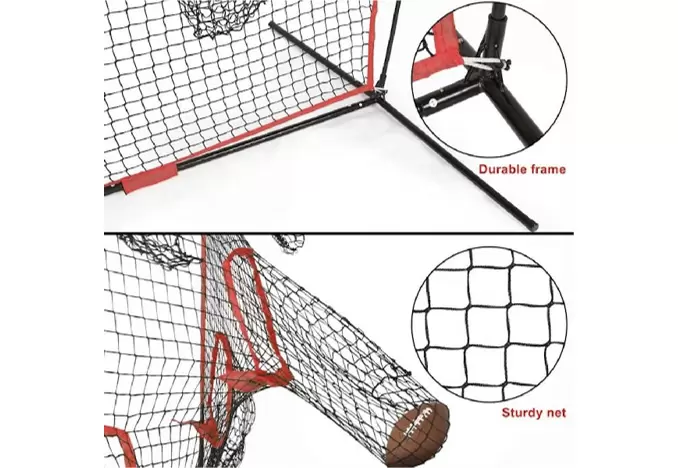
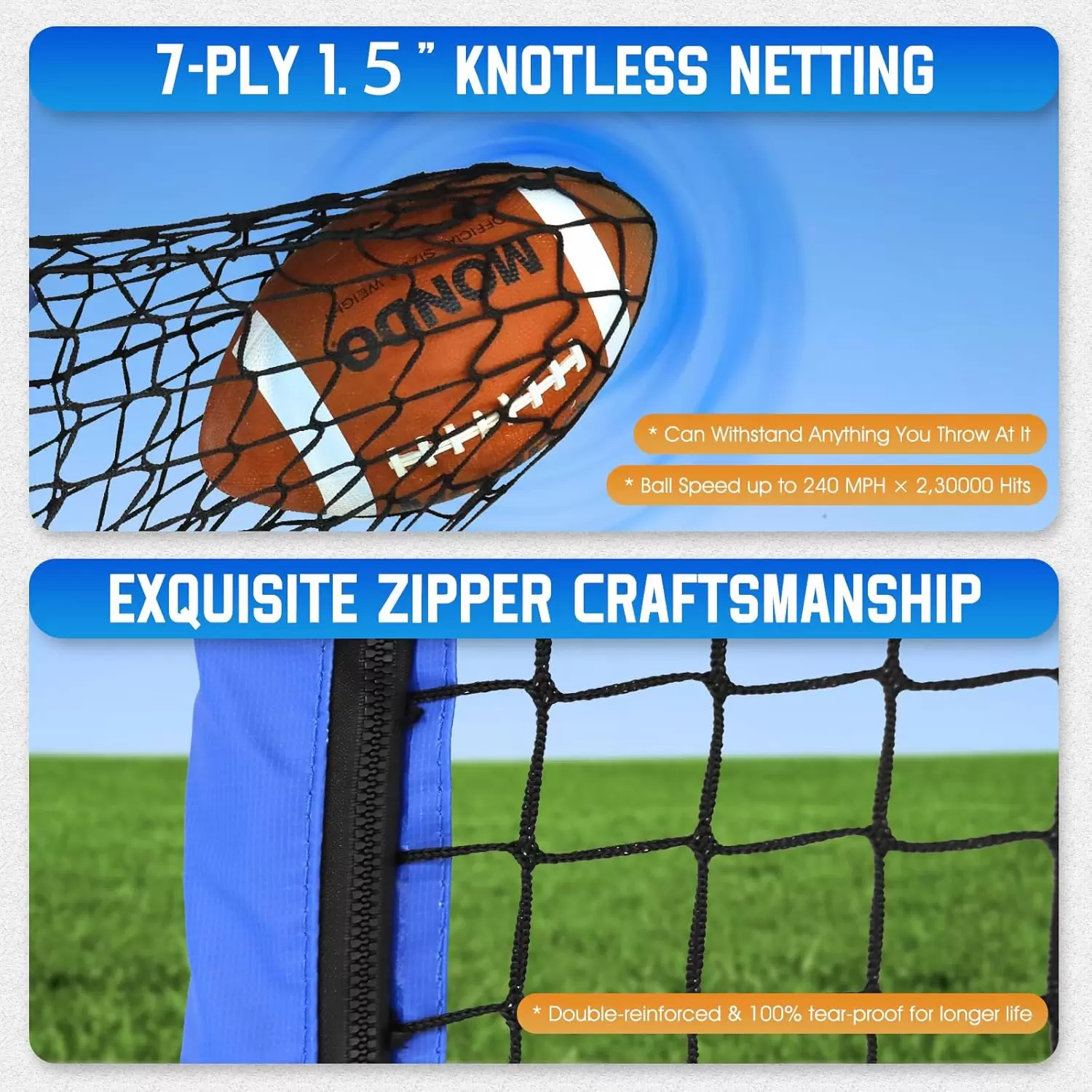
The mesh is the most crucial component of a tennis interception net. Using 3mm woven mesh ensures strike resistance while maintaining elasticity to absorb high-velocity ball impacts. The weaving pattern distributes the energy of the ball evenly, preventing premature wear and tear and ensuring consistent rebound performance. For nets designed for intensive drills, denser mesh configurations increase durability while maintaining sufficient airflow to minimize wind resistance. Athletes and coaches often prefer Riches Net portable tennis nets for their tightly woven mesh and strike-resistant properties, suitable for repetitive high-speed ball practice.
2. Bottom Bracket: Stability Meets Durability
The bottom bracket supports the net’s overall stability and directly affects field mobility. Painted iron pipe brackets resist bending, twisting, and corrosion, ensuring a robust base even under frequent use or outdoor exposure. Advanced coatings prevent rust while maintaining structural rigidity, providing a net that remains upright and taut during training. Lightweight, well-designed brackets contribute to easy handling and faster field setup, allowing training sessions to begin promptly without complicated assembly.
3. Support Frame: Lightweight Strength for Mobility
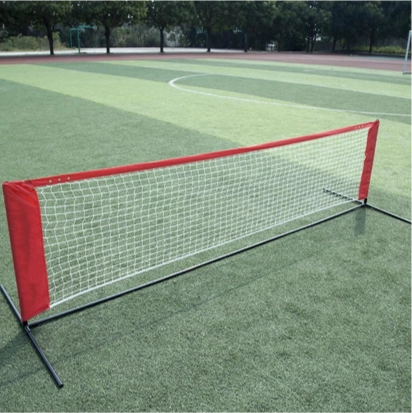
The support frame is the backbone of a portable tennis net. Fiberglass rods are widely used for their high strength-to-weight ratio. These rods are tough, resistant to snapping, and light enough for easy transportation between training courts. Lightweight support frames reduce overall net weight, improving field mobility and allowing rapid assembly. When combined with interlocking rod systems, nets can be set up or disassembled in minutes, a critical feature for teams that rotate practice locations frequently.
4. Portability: Large Capacity and Easy Transport
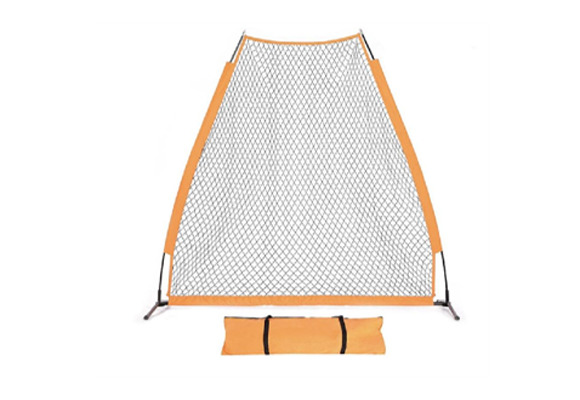
Portability is enhanced by thoughtful carrying solutions. Oxford cloth carrying bags with large capacity protect nets from abrasion, moisture, and sunlight during transport. Lightweight yet durable, these bags allow coaches and athletes to carry complete nets and supporting components efficiently. Portability ensures that practice sessions can take place anywhere—from indoor gymnasiums to outdoor tennis courts—without compromising net performance. Products from Riches Net integrate these features seamlessly, offering portability and durability in a single package.
5. Size Flexibility and Customization
Standard portable tennis nets typically measure 14×7×3.5 ft, but one-size-fits-all solutions often do not meet specialized training needs. Customization options—including mesh sparseness, rope thickness, frame color, and net size—allow nets to be tailored for different age groups, skill levels, or indoor/outdoor settings. Customization not only improves usability but also enhances longevity by optimizing tension distribution and material usage. Huizhou Riches Net Science & Technology Co., Ltd. has leveraged over two decades of experience to provide customizable nets that meet diverse training requirements.
6. Assembly Efficiency: Speed Without Sacrifice
Efficient assembly is a major factor in usability. Nets designed with interlocking support rods, labeled connection points, and lightweight components reduce setup time and minimize the risk of damage to joints or connectors. Fast assembly enables athletes and coaches to focus on training rather than equipment, while consistent assembly quality contributes to long-term durability. Portable nets that combine rapid setup with stable support structures strike an ideal balance for high-frequency usage.
7. Weight Reduction: Enhancing Field Mobility
Reducing net weight improves transport and mobility, but structural integrity must remain uncompromised. Fiberglass rods and lightweight iron pipe brackets achieve this balance, providing strong tension support while remaining easy to handle. Properly engineered tensioning systems keep the net taut under ball impact, preventing sagging and deformation. Lightweight nets also allow for easier relocation during training, improving the efficiency of drills and practice rotations.
8. Environmental and Usage Considerations
Durable portable tennis nets must withstand sun exposure, humidity, wind, and outdoor wear. UV-resistant woven mesh and corrosion-protected iron brackets increase service life. Storing nets in protective carrying bags and performing regular inspections ensures long-term performance. By combining high-quality materials and thoughtful design, nets can maintain their shape and effectiveness through multiple seasons of use.
9. Practical Maintenance Tips
To maximize durability, regular maintenance is essential:
Inspect mesh and ropes: Look for frays, weakened knots, or damaged areas.
Check frame connections: Ensure interlocking rods and brackets are secure.
Protect from moisture: Store nets in carrying bags to prevent rust and mold.
Avoid overuse in one area: Even high-quality nets benefit from evenly distributed ball impact.
Following these practices can extend net lifespan and maintain consistent training performance.
FAQ
Q1: What mesh thickness is recommended for portable tennis nets?
A: 3mm woven mesh is ideal for combining strike resistance, flexibility, and long-term durability.
Q2: How do fiberglass support frames affect portability?
A: Fiberglass rods provide high strength without adding excessive weight, facilitating quick transport and easy assembly.
Q3: Can portable tennis nets be customized for size or mesh density?
A: Yes, customization options allow adjustment of size, mesh sparseness, rope thickness, and frame color to suit specific training needs.
Q4: How can assembly efficiency be improved?
A: Lightweight components, interlocking rods, and clearly labeled connection points streamline setup, reducing time and wear on connectors.
Q5: Are portable nets suitable for both indoor and outdoor training?
A: Yes, high-quality nets with UV-resistant mesh, corrosion-protected brackets, and proper maintenance are suitable for diverse environments.
Conclusion
In conclusion, portable tennis interception nets are a vital component of effective tennis training. By combining high-quality 3mm woven mesh, durable painted iron brackets, and lightweight fiberglass support frames, these nets achieve an optimal balance of strength, mobility, and usability. Customization options ensure nets meet specific training needs, while thoughtful design enhances setup efficiency and long-term durability. For reliable, versatile, and easy-to-transport nets, Riches Net offers solutions that meet the demands of players, coaches, and training facilities, supporting improved performance and efficient practice sessions.